

Brake Safety Fundamentals: The Critical Role of the Brake Line
Every workshop technician understands that the integrity of the brake line is central to safe vehicle operation. A compromised brake line can quickly transform a routine drive into a dangerous situation. During every service, it’s essential to check brake lines thoroughly for signs of wear or damage. This component is responsible for carrying hydraulic fluid between the master cylinder and the calipers, meaning any weakness or leak can result in a sudden loss of braking force.

To maintain the reliability of your braking system, always inspect brake lines for cracks, corrosion, or swelling. Don’t overlook the subtle indicators—sometimes a small issue can escalate rapidly, leading to catastrophic brake failure. Use a torch and mirror to check hard-to-see sections and always replace lines that show any doubt.
- Recommended inspection interval: Every 20,000 km or at every major service
- Maximum allowable swelling: 0.5 mm beyond original diameter
- Crack depth limit: No visible cracks permitted
- Corrosion rating: Replace if more than 10% of surface is affected
Warning Signs
- Soft or spongy brake pedal feel
- Visible fluid leaks near the brake line fittings
- Ignoring small cracks or surface rust on brake lines

Performance Indicators: Stopping Distance, Fade, Noise, and Vibration
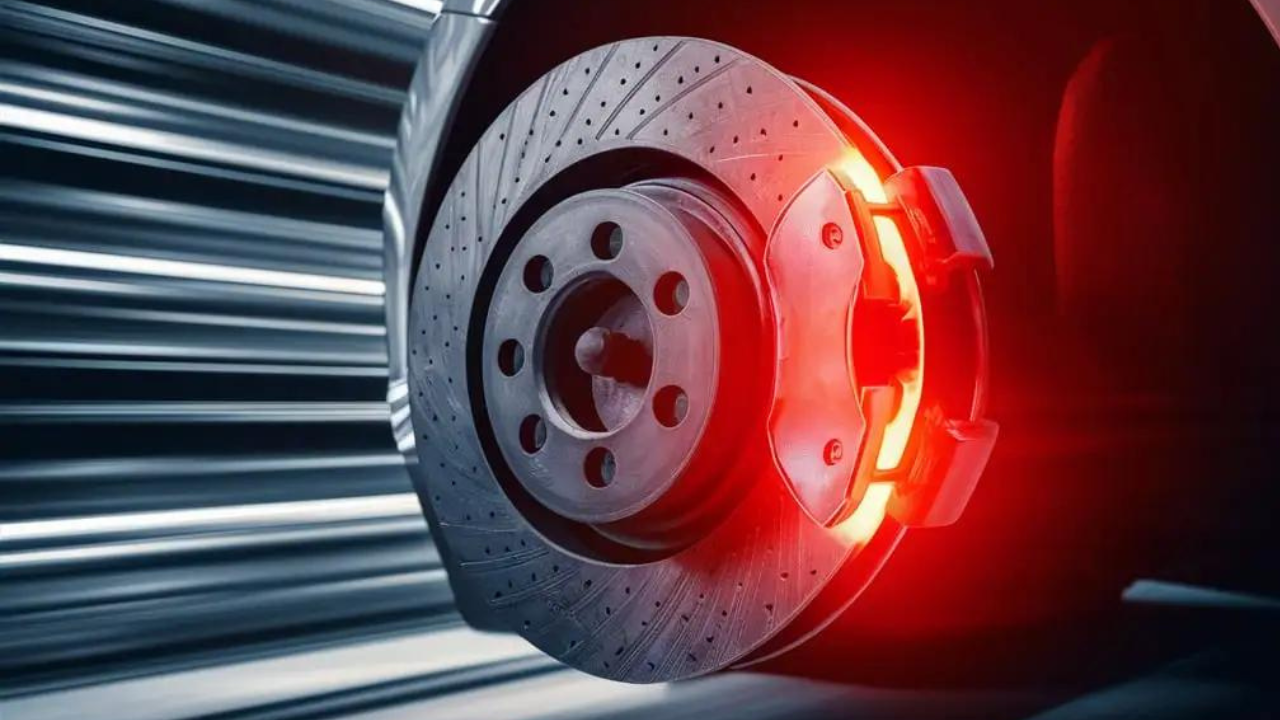
Performance issues in the braking system are often the first signs of underlying problems with the brake line or other components. Stopping distance is a straightforward metric—if a vehicle takes longer to stop than usual, the brake line could be leaking or restricted. Brake fade, which occurs when the system overheats, can also be worsened by a compromised line.
Noise and vibration are additional indicators that something is amiss. Squealing, grinding, or pulsation in the pedal during braking should prompt immediate inspection. These symptoms might be caused by issues elsewhere, but a weakened brake line can amplify them and reduce overall braking effectiveness.
- Standard stopping distance: 40–50 m from 100 km/h under dry conditions
- Brake fade temperature threshold: 250°C–300°C for most friction materials
- Acceptable pedal travel: Less than 25% of pedal range before firm resistance
- Noise threshold: Replace pads if persistent squealing or grinding is heard
Warning Signs
- Unusual increase in stopping distance
- Ignoring grinding noise during braking
- Vibrations in the steering wheel or brake pedal

How High-Quality Friction Materials Enhance Brake Line Safety
Using superior friction materials, like those engineered by FBK, directly supports the performance and longevity of the entire braking system—including the brake line. High-quality pads and discs generate less heat, reduce the risk of fade, and help maintain stable hydraulic pressure throughout the system. This synergy is essential for workshops aiming to deliver safe, reliable repairs every time.
When selecting friction materials, always verify compatibility with the vehicle and the condition of the brake line. Never mix unmatched components, as this can introduce excess stress on the hydraulic system and lead to premature wear or failure. FBK’s range of products is designed to work together, providing consistent pedal feel and dependable stopping power.
- Pad thickness replacement limit: 3 mm for most passenger vehicles
- Rotor runout tolerance: 0.05 mm maximum
- Recommended pad/rotor change interval: 30,000–50,000 km depending on usage
- Hydraulic fluid replacement: Every 24 months or as specified by the manufacturer
Warning Signs
- Mixing different brands or types of pads and rotors
- Ignoring regular hydraulic fluid changes
- Reusing old or corroded brake line fittings
Conclusion
In the workshop, attention to detail is what separates safe, reliable vehicles from those at risk of brake failure. A worn brake line is never a minor issue—it’s a direct threat to driver safety and system performance. By following strict inspection routines, monitoring key performance indicators, and choosing high-quality, well-matched components like FBK’s friction products, you help ensure every vehicle leaves your care ready for the road ahead.
Remember: brake safety is not an option. Choose FBK braking solutions for proven, workshop-friendly reliability and peace of mind—because your customers depend on it every day.