

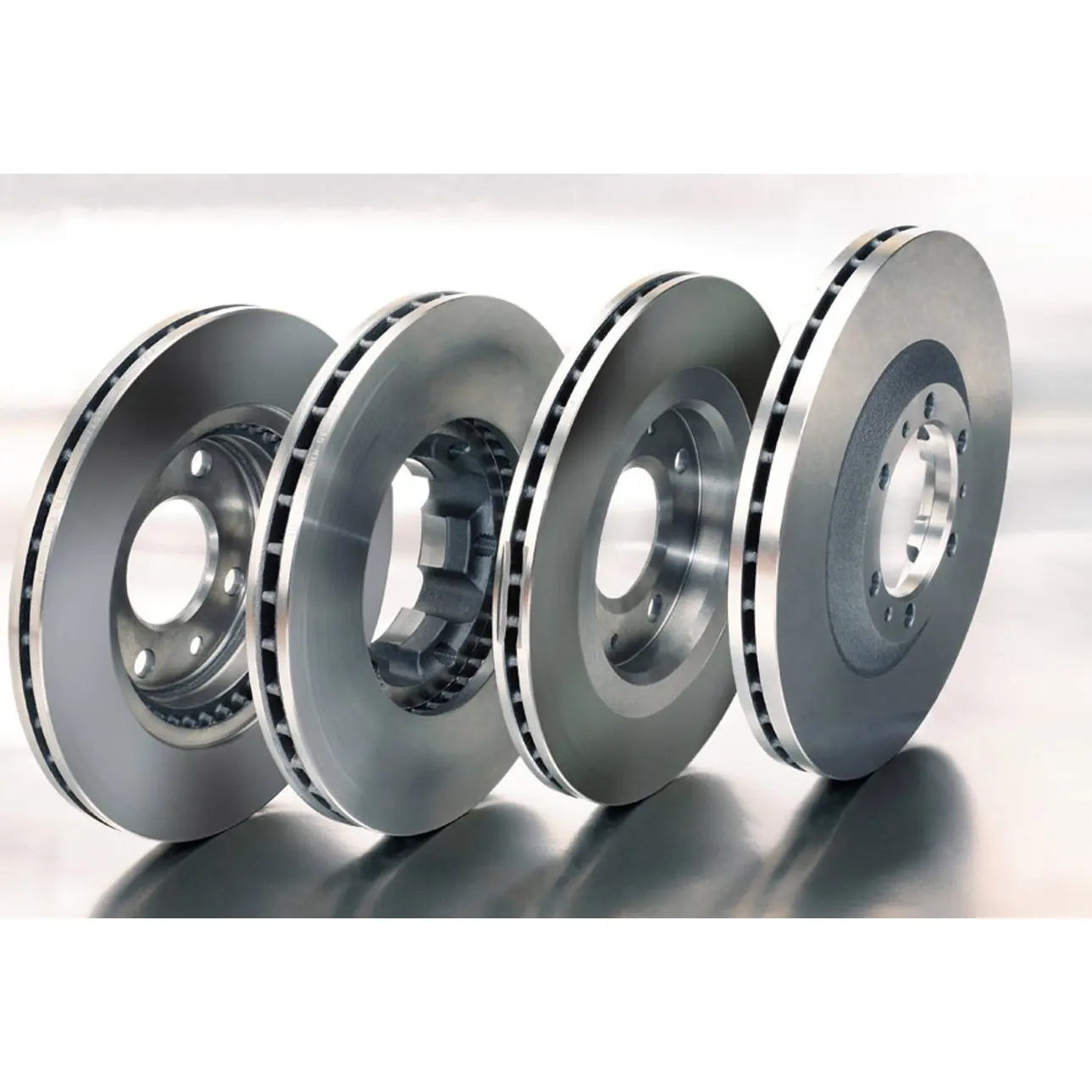
For many drivers and light commercial vehicle owners, the reliability of your brakes is something you rarely think about—until you need to stop quickly. High-quality disc rotors play a vital role in ensuring your vehicle stops safely, every time. Understanding how these components work, what sets premium options apart, and how to select the right products can make all the difference in your daily driving experience.
Comparing Brake Component Options: Premium vs. Standard Lines and Material Types
When it comes to the braking system, the choices can feel overwhelming. From premium to standard product lines, and a variety of friction materials, each option offers different performance characteristics. Here’s how they stack up:
- Premium vs. Standard Disc Rotors:
Premium rotors typically offer better heat dissipation, longer lifespan (up to 60,000 km), and quieter operation. Standard rotors may be more affordable but often wear faster (lifespan around 30,000–40,000 km). - Organic vs. Semi-metallic vs. Low-metallic Pads:
Organic: Quieter, less dust, best for city driving; Semi-metallic: Stronger stopping power, handle higher temperatures (up to 500°C), suitable for mixed use; Low-metallic: Higher friction, some increase in noise, good for performance-oriented drivers. - Friction Level (μ Value):
Organic pads: μ ≈ 0.35–0.40; Semi-metallic: μ ≈ 0.40–0.50; Low-metallic: μ ≈ 0.40–0.45. Higher values mean more stopping power. - Typical Use Cases:
Organic: Everyday city cars; Semi-metallic: Family vehicles, light commercial vans; Low-metallic: Sportier models, heavier loads. - Noise and Comfort:
Premium lines often feature anti-noise shims or coatings, reducing squeal and vibration for a smoother drive.
Red flags
- Using under-specified friction material (e.g., organic pads) in a heavily loaded van—risk of overheating and fade.
- Choosing non-branded or untested disc rotors—may lead to unpredictable wear or poor emergency braking.
- Ignoring manufacturer recommendations for your vehicle’s usage profile.

How to Choose the Right FBK Product for Your Vehicle
Selecting the correct brake pads, shoes, and discs isn’t just about fitment—it’s about matching your driving needs and vehicle type. FBK offers a range of products tailored to different requirements.
- Daily Commuting: Choose FBK’s standard line for consistent, quiet stops and low dust—ideal for city and suburban driving.
- Frequent Heavy Loads: Select FBK’s semi-metallic or premium range, designed for higher thermal stability and longer wear under stress.
- Performance Driving: FBK’s low-metallic or performance series deliver extra bite and fade resistance at higher speeds or loads.
- Compatibility: Always check the product code and vehicle application list to ensure a perfect match for your make and model.
- Certified Testing: FBK products meet international standards for safety and durability, giving you extra peace of mind.
Key points to remember
- Match the brake component to your typical driving and load conditions.
- FBK’s tested range covers everything from daily use to demanding commercial applications.

Understanding Basic Specifications: Friction, Noise, and Wear
To get the most from your brakes, it’s important to know what the main specifications mean. Here’s how to interpret the basics when choosing disc rotors and pads:
- Friction Level (μ): Higher μ values mean stronger stopping power. Look for μ values in the 0.35–0.50 range for most vehicles.
- Noise Behaviour: Premium pads and rotors use advanced shims and coatings to dampen noise. If you value quiet rides, check for noise-reducing features.
- Wear Rate: Premium FBK components can last 40,000–60,000 km, while standard options may need replacement sooner. Heavy use shortens lifespan.
- Operating Temperature: Standard pads operate well up to 350°C; semi-metallic and premium lines can withstand up to 500°C, reducing fade under stress.
Key points to remember
- Check the product’s technical data sheet for friction and wear ratings.
- Noisy brakes or excessive dust may indicate the need for an upgrade or inspection.
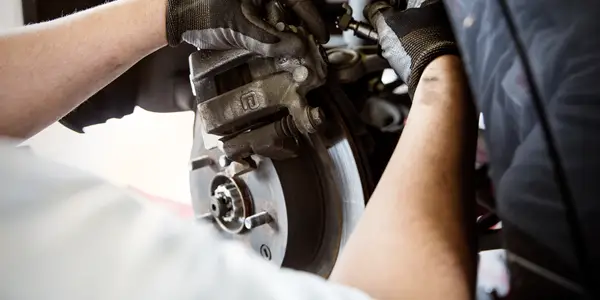
How to Check Installation Quality and Ensure Long-Term Safety
Proper installation is just as important as selecting the right brake parts. Here’s how to make sure your new FBK components are fitted for maximum performance and safety:
- Visual Inspection: After installation, check that all bolts and fasteners are securely torqued and no parts are left loose.
- Bed-in Process: Follow FBK’s recommended bedding procedure to help the pads and rotors mate correctly and ensure even wear.
- Noise and Vibration: Listen for unusual noises during the first few drives—persistent squealing or grinding may signal improper installation or a mismatch.
- Brake Fluid Check: Ensure the brake fluid is topped up and free from contamination after any brake work.
Key points to remember
- Always have brakes installed by a qualified technician.
- Regularly inspect brakes for signs of uneven wear or noise.
Conclusion
Quality disc rotors and brake components are essential for safe, confident driving—whether you’re commuting or carrying heavy loads. By choosing FBK’s carefully tested and certified products, you ensure longer life, quieter operation, and reliable stopping power in all conditions. Remember to match your brake selection to your driving needs, check key specifications, and rely on professional installation. With regular inspection and timely replacement, FBK brakes help keep you, your passengers, and your cargo safe on every journey.