


Passenger Cars: Everyday Performance and Comfort
When evaluating a ceramic brake pads supplier for passenger cars, it’s important to understand the unique requirements of daily urban and highway driving. Years of in-house formulation and testing, as practiced by seasoned suppliers, ensure that pads deliver consistent performance, low dust, and quiet operation. In this segment, the right supplier will have a track record of working closely with test laboratories to refine compounds for optimal balance between comfort and safety.
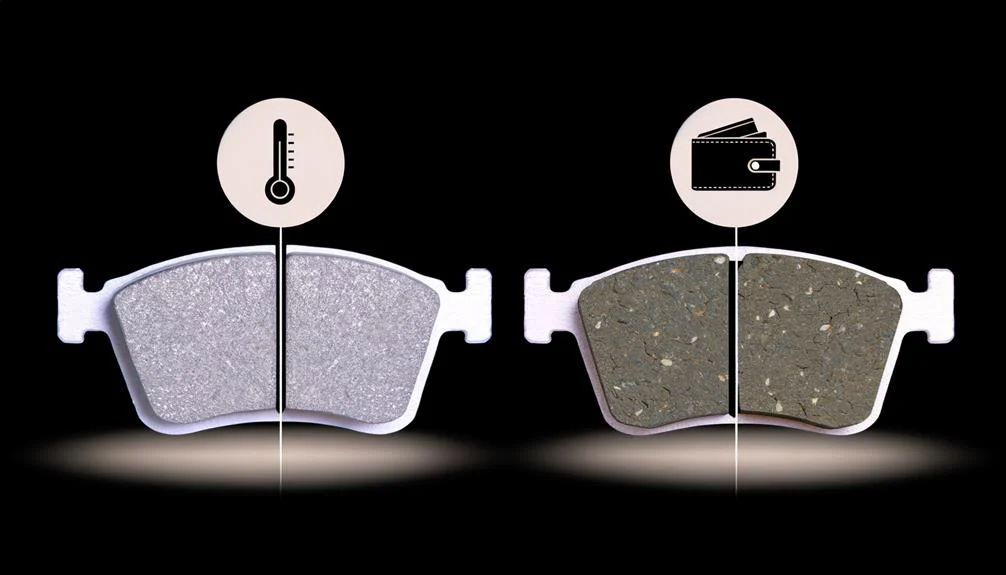
Passenger vehicles typically demand brake pads that offer smooth stops, minimal noise, and longevity under moderate operating conditions. Suppliers with advanced manufacturing capabilities can tailor ceramic friction materials to offer these benefits while maintaining safety margins. The right ceramic brake pads supplier should provide detailed technical data and proven experience with OEM standards.
- Operating conditions: Frequent stop-and-go traffic, moderate speeds, temperature variations
- Recommended friction levels: Stable coefficient of friction (0.35–0.45) for predictable braking
- Example mileage expectations: 30,000–50,000 km under typical usage
- Common duty cycles: Short city commutes, occasional highway trips
What to avoid
- Using pads designed for heavy-duty applications—can result in excessive noise or harshness on passenger cars
- Low-quality, untested compounds—may lead to unpredictable stopping distances and increased rotor wear
Light Commercial Vehicles: Balancing Load and Longevity
Light commercial vehicles present a different challenge for both operators and their ceramic brake pads supplier. These vehicles often face higher payloads and more frequent stops than passenger cars. Suppliers with decades of experience understand the need for robust pad formulations that can handle occasional overloads and increased thermal stress without compromising on lifespan or safety.
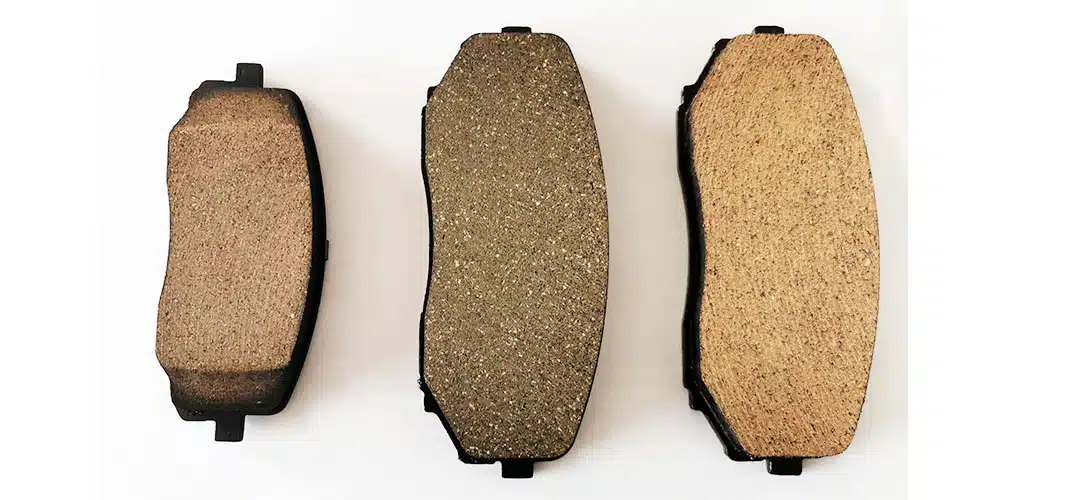
Choosing a supplier with advanced in-house manufacturing and real-world testing results ensures pads are engineered to withstand the unique duty cycles of vans and pickups. Look for evidence of collaboration with independent laboratories to verify claims about fade resistance and wear rates—key factors in this segment.
- Operating conditions: Moderate to heavy loads, urban delivery routes, frequent braking
- Recommended friction levels: Slightly higher (0.40–0.48) for secure stopping under load
- Example mileage expectations: 25,000–40,000 km depending on payload and route
- Common duty cycles: Stop-start delivery, mixed city and highway use
Critical considerations
- Under-specifying pad material—using passenger car pads for commercial loads leads to accelerated wear and potential brake fade
- Neglecting heat resistance—can result in reduced braking efficiency during repeated stops
- Overlooking supplier testing credentials—may compromise safety and warranty coverage
Heavy-Duty and Fleet Vehicles: Demanding Durability and Consistency
For heavy-duty and fleet vehicles, selecting the right ceramic brake pads supplier is critical to operational safety and cost control. Vehicles in this category are subject to sustained high loads, longer duty cycles, and severe braking environments. Suppliers with a legacy of advanced manufacturing and continuous innovation can deliver pads that maintain performance under these demanding conditions.

Trustworthy suppliers in this sector typically perform joint field trials with fleet operators and independent labs to validate pad life and thermal stability. Their experience in tailoring materials for high-load, high-temperature use is invaluable for fleet managers concerned with minimizing downtime and maximizing safety.
- Operating conditions: Heavy payloads, mountain routes, continuous braking
- Recommended friction levels: High, stable coefficient (0.42–0.50) for maximum braking force
- Example mileage expectations: 15,000–30,000 km, highly variable by route and load
- Common duty cycles: Long-haul freight, frequent hill descents, urban stop-start in large vehicles
Key risks
- Fitting light-duty pads in fleet or heavy-duty vehicles—can cause rapid failure and increase maintenance costs
- Ignoring brake system compatibility—may lead to uneven wear or compromised safety systems
Conclusion
Across all vehicle types, working with a ceramic brake pads supplier that combines decades of practical expertise, proprietary material development, and rigorous laboratory testing is essential. In every application—whether for passenger cars, light commercial vehicles, or heavy-duty fleets—matching the right friction material to the vehicle and its duty cycle ensures reliable performance and long-term value. FBK’s approach, built on years of advanced manufacturing and close industry collaboration, underscores the importance of selecting brake products designed specifically for your needs.