
Understanding Brake Fluids: DOT 3 and DOT 4
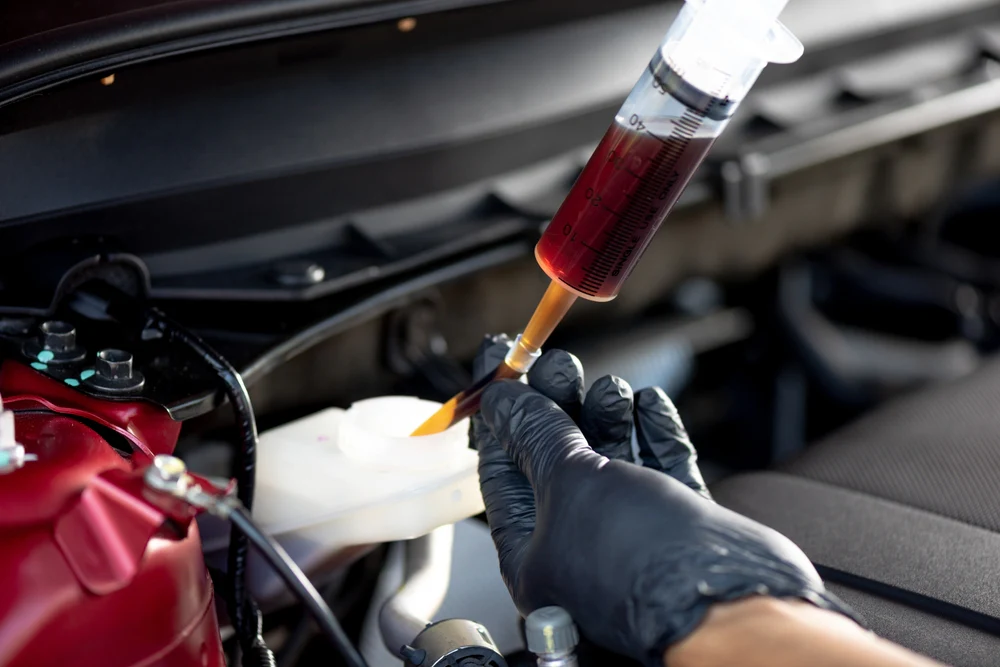
When it comes to vehicle safety, one of the critical components to consider is the brake fluid. Among the various types available, DOT 4 and DOT 3 are the most commonly used. Both fluids serve the primary purpose of transmitting force from the brake pedal to the brake components, but they differ in performance characteristics and applications. Understanding these differences is essential for making an informed choice about which brake fluid to use in your vehicle.

DOT 3 brake fluid is an older formulation, primarily composed of glycol ether and borate esters, which makes it less effective at higher temperatures compared to DOT 4. DOT 4, on the other hand, includes additional additives that enhance its boiling point and reduce moisture absorption. This means that if you drive a vehicle with high-performance requirements, opting for DOT 4 is usually the better choice.
- DOT 3 has a dry boiling point of approximately 205°C (401°F).
- DOT 4 offers a higher dry boiling point, around 230°C (446°F).
- Consider your vehicle’s manufacturer recommendations when choosing between DOT 3 and DOT 4.
- DOT 4 can absorb moisture more slowly, which helps maintain its effectiveness over time.
- Check the fluid levels regularly to ensure optimal brake performance.
Warning Signs
- If you notice a spongy brake pedal, it may indicate that the brake fluid is contaminated.
- Look for signs of fluid leakage around the brake components; this could signal a serious problem.
- Be cautious if your brake warning light activates, as this may indicate low fluid levels.
Performance Comparison: DOT 3 vs. DOT 4
The performance of brake fluids can significantly affect your vehicle’s braking efficiency. While both DOT 3 and DOT 4 fluids have their advantages, the distinctions become crucial depending on your driving habits and vehicle type. DOT 3 is generally suitable for everyday driving conditions and lighter vehicles, while DOT 4 is more appropriate for high-performance cars or vehicles subjected to severe braking conditions.
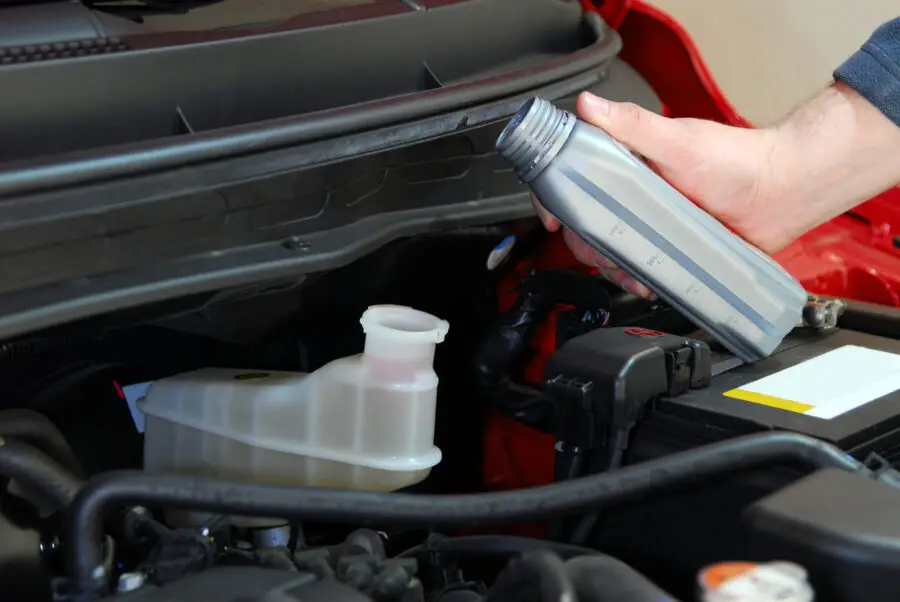
One of the key factors to consider is the fluid’s boiling point. The higher the boiling point, the better the fluid can withstand heat generated by braking. This is particularly important in situations such as heavy traffic, mountainous driving, or performance driving where brakes are applied frequently and intensely. With a higher boiling point, DOT 4 fluid reduces the risk of brake fade, which can lead to longer stopping distances and reduced control.
- DOT 4 is recommended for vehicles that experience extreme braking conditions.
- Evaluate the manufacturer’s specifications to determine the appropriate fluid for your vehicle.
- Consider switching to DOT 4 if you frequently drive in mountainous or hilly areas.
- Regularly check for fluid degradation, especially if you use DOT 3.
- Understand the impact of brake fluid type on warranty and service agreements.
Warning Signs
- Brake fade during high-performance driving can indicate insufficient fluid quality.
- Unusual noises when applying brakes may signal fluid issues.
- Inconsistent braking response can suggest contamination or fluid degradation.
Maintenance Tips for Brake Fluids
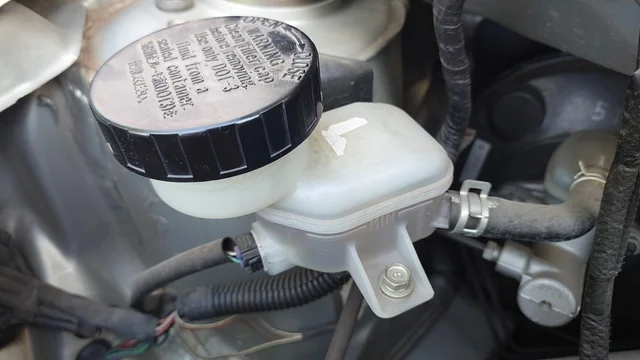
Maintaining your brake fluid is crucial for ensuring that your vehicle’s braking system functions effectively. Regardless of whether you choose DOT 3 or DOT 4, proper maintenance can prolong the life of your brake fluid and enhance overall safety. One of the simplest yet most effective maintenance practices is to regularly check and change your brake fluid as per the manufacturer’s guidelines.

Additionally, it’s essential to keep the fluid reservoir clean and free from contaminants. Brake fluid can absorb moisture over time, which diminishes its effectiveness. Therefore, consider flushing the brake system every two years or as recommended. This practice not only removes old fluid but also helps in preventing corrosion within the braking system.
- Check fluid levels monthly and top off as needed.
- Flush your brake system every 24 months or as specified in your owner’s manual.
- Use a moisture tester to check the fluid’s condition.
- Inspect brake lines for leaks or damage regularly.
- Store brake fluid in a cool, dry place to prevent contamination.
Warning Signs
- Cloudy or discolored fluid indicates contamination.
- Frequent need for topping off may suggest leaks or system issues.
- Unusual brake pedal feel can be a sign of fluid problems.
Conclusion
In summary, choosing between DOT 4 and DOT 3 brake fluids depends on your vehicle’s requirements and your driving habits. If you often drive under demanding conditions, DOT 4 is the superior choice due to its higher boiling point and moisture resistance. Regular maintenance and checks will ensure optimal performance and safety. Don’t hesitate to consult with a professional mechanic to determine the best brake fluid for your vehicle. Your safety on the road is paramount, so make informed decisions regarding your brake fluid today!