

Brake Safety Fundamentals: Why Reliable Brakes Matter
Every driver relies on their vehicle’s braking system to provide safety on the road, but many overlook the importance of timely car brakes repair. Brakes do more than simply stop your vehicle—they protect you, your passengers, and everyone else on the road. Ignoring early warning signs or using poor-quality components can lead to dangerous situations, including loss of control, longer stopping distances, or even complete brake failure.
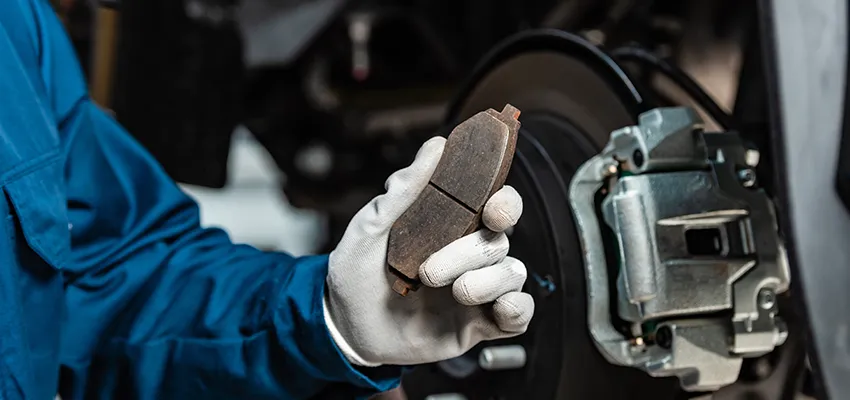
One common problem is trusting that brakes are “good enough” until they fail. However, minor issues such as squealing noises or a soft pedal often signal deeper problems. By understanding how brake wear, fluid leaks, and faulty installation affect safety, you can take proactive steps to maintain your system’s reliability.
- Minimum safe pad thickness: 3 mm for most vehicles
- Recommended inspection interval: Every 10,000–15,000 km
- Brake fluid replacement: Every 2 years or 40,000 km
- Emergency stopping distance: 40–60 meters from 100 km/h (varies by vehicle and brake condition)
Safety notes
- Never ignore grinding or scraping sounds—these often indicate pads are worn through.
- Always replace both sides of an axle at the same time for balanced braking.
Performance Indicators: Stopping Distance, Fade, and Brake Noise
Many drivers first notice brake problems through performance issues like increased stopping distances, fading on long descents, or persistent noise. These issues are often caused by worn friction materials, low-quality pads or linings, or poor installation. For those considering DIY car brakes repair jobs, recognizing these symptoms early can save both money and prevent costly accidents.
Brake fade—a temporary loss of braking power during heavy use, such as descending a steep hill—is a common concern. It is often caused by overheating, which can occur if friction materials are not designed for high temperatures. Similarly, squeaking or grinding noises may point to contamination, incorrect installation, or the use of incompatible parts. Addressing these problems with the correct materials and tools ensures your braking system performs at its best.
- Typical fade temperature: 200–400°C for standard pads
- Acceptable noise level: Less than 70 dB under normal braking
- Maximum stopping distance increase: Should not exceed 10% after repeated braking from 100 km/h
- Pad bedding-in time: 150–300 km for optimal performance
Performance tips
- Choose friction materials rated for your driving style and environment.
- Follow proper bedding-in procedures after installation to ensure maximum efficiency.
- Regularly inspect for uneven wear, which may indicate caliper or hardware issues.

Warning Signs: When to Seek Immediate Car Brakes Repair
Some brake symptoms require urgent attention to prevent dangerous outcomes. Ignoring these warning signs can result in reduced control, accidents, or costly damage to your vehicle. Knowing when to act is one of the most important aspects of safe driving and maintenance.
If you notice any of the following signs, schedule a professional inspection or perform a thorough DIY check using high-quality components and tools. In many cases, acting quickly can save you from expensive repairs and help you avoid hazardous situations on the road.
- Sudden increase in stopping distance—takes more than 60 meters to stop from 100 km/h
- Pulsation or vibration through the brake pedal during normal stops
- Brake warning light illuminated on your dashboard
- Brake pedal sinks to the floor or feels spongy
- Visible leaks of brake fluid near wheels or under the car
Critical safety reminders
- If in doubt, always choose professional help over DIY for severe symptoms.
- Test brakes in a safe area after any repair before returning to regular driving.

The Role of High-Quality Friction Materials and Proper Installation
Choosing the right brake pads, shoes, or linings is essential for both safety and cost-effectiveness. High-quality friction materials, such as those engineered by FBK, are designed to withstand extreme temperatures, resist wear, and deliver consistent stopping power. Inferior parts may save money upfront, but they often wear out faster, cause noise, and put your safety at risk.
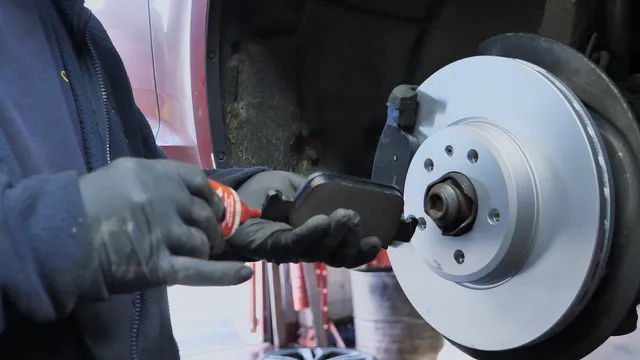
Equally important is correct installation. Even the best parts can underperform or fail if they are not installed with the proper tools and technique. DIY car brakes repair jobs can be rewarding and cost-effective, but only if you use the right torque settings, lubricate moving parts, and properly bed-in new pads or linings. Investing in quality tools and materials pays off in both performance and long-term savings.
- Recommended torque for caliper bolts: 30–50 Nm (check vehicle manual)
- Essential tools: Torque wrench, C-clamp or piston tool, brake cleaner, jack stands
- Inspection interval for hardware: Every 20,000 km
- Average pad life (quality materials): 30,000–60,000 km
Installation best practices
- Always clean rotors and hardware before installing new friction materials.
- Use a torque wrench to avoid overtightening or under-tightening bolts.
- Replace worn hardware (pins, clips, springs) during every major brake service.
Conclusion
Effective car brakes repair is about more than just stopping your vehicle—it’s about protecting lives, preventing costly damage, and ensuring peace of mind on every journey. By recognizing early warning signs, choosing high-quality friction materials, and following professional installation practices, you can maximize both safety and value. Trust your braking system to solutions that have been rigorously tested, like those from FBK, and take pride in every safe stop you make.