


Understanding the Importance of Timely Brakes Repair
For fleet managers overseeing trucks, buses, or delivery vehicles, maintaining reliable braking systems is non-negotiable. Consistent brakes repair not only ensures vehicle safety but also protects uptime, compliance, and operating budgets. Delaying repairs can lead to increased wear, unpredictable stopping distances, or even regulatory penalties.

It’s critical to recognize how proper brake lining and shoe choices directly impact fleet performance under heavy loads and long hauls. Investing in quality components and regular inspections can minimize downtime and maximize both safety and cost efficiency.
- Brake lining thickness: Replace when worn below 6 mm for heavy vehicles.
- Brake shoe lifespan: Typically 50,000–100,000 km depending on load and route conditions.
- Inspection intervals: Every 20,000 km or at each scheduled fleet maintenance stop.
- Temperature rating: Use linings rated for up to 500°C for vehicles on steep descents.
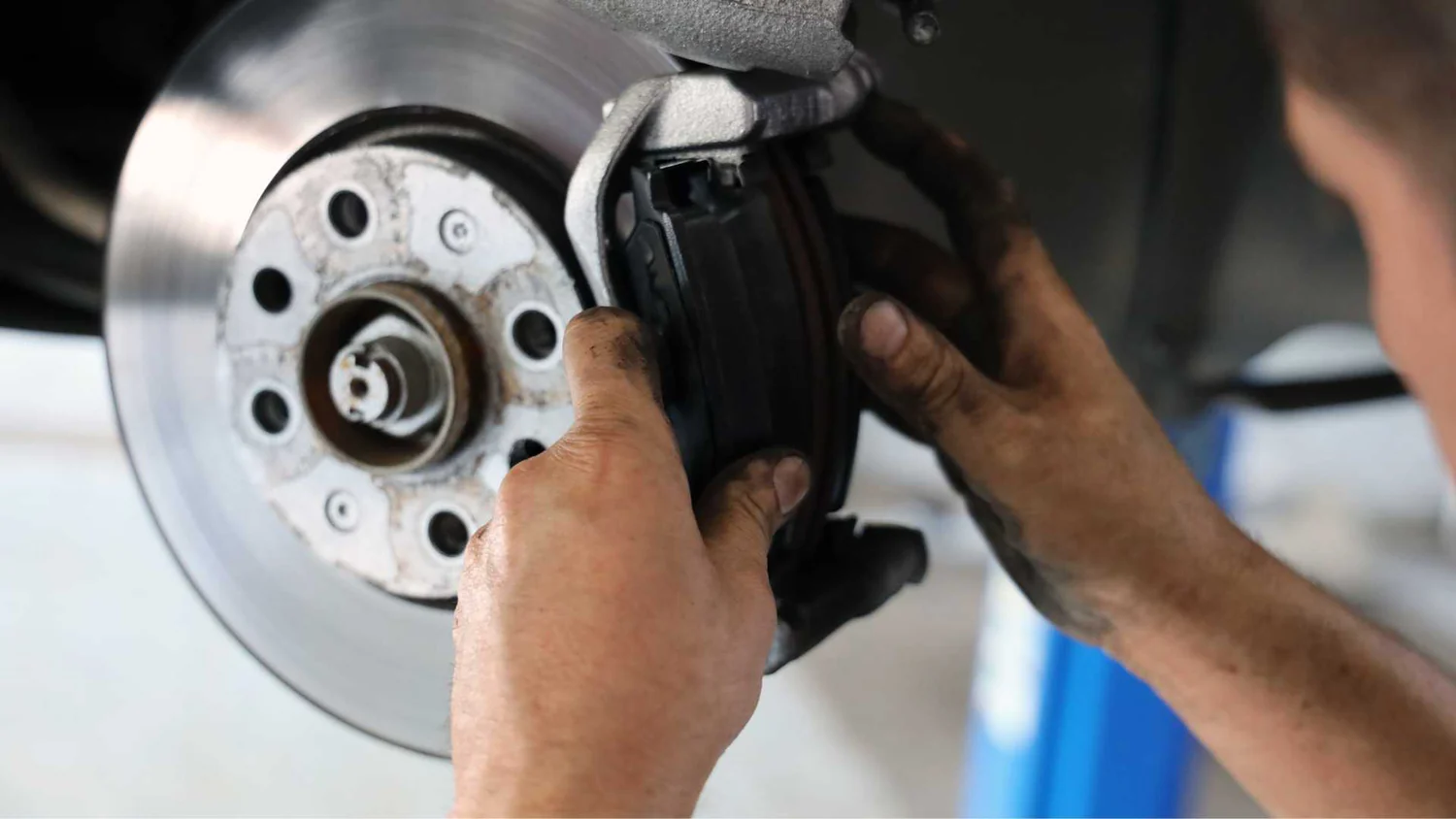
Top 5 Warning Signs Your Vehicle Needs Brakes Repair
Early detection of brake issues can prevent costly breakdowns and safety violations. Fleet vehicles often operate in demanding environments, making it essential for managers to recognize warning signs of brake system degradation. Ignoring these indicators can jeopardize both cargo and personnel.
Proactive response to these signs ensures compliance with safety standards and reduces the risk of unplanned service interruptions. Here are critical cues that your fleet may need immediate brakes repair:
- Reduced braking performance: Noticeably longer stopping distances, especially when fully loaded.
- Unusual noises: Squealing, grinding, or metallic sounds during braking.
- Vibration or pulsing: Felt through the brake pedal or steering wheel, indicating uneven lining wear or drum/disc issues.
- Warning lights: ABS or brake system indicators illuminated on the dashboard.
- Brake pedal feel: Soft, spongy, or sinking pedal, possibly due to fluid leaks or air in the hydraulics.
Warning Signs
- Ignoring dashboard warnings can result in failed roadside inspections.
- Continuing to operate with worn linings may cause damage to drums or discs, increasing repair costs.

How to Save Money with DIY Brakes Repair Techniques
Fleet managers seeking to optimize maintenance budgets often explore do-it-yourself brakes repair for routine components. When performed correctly, in-house repairs can reduce labor costs and vehicle downtime, provided technicians follow manufacturer guidelines and use suitable tools.
However, not all repairs are suitable for DIY approaches. For complex systems or advanced electronic controls, professional servicing is strongly recommended. Understanding which maintenance tasks can be safely handled in-house is key to effective cost management.
- Pad and shoe replacement: Can be performed in-house if technicians are trained and equipped; average time per axle is 1–1.5 hours.
- Brake fluid inspection: Check and top up every 30,000 km; flush system every 2 years.
- Hardware replacement: Springs, pins, and adjusters should be checked and replaced during every lining change to ensure reliability.
- Documentation: Record all DIY repairs for compliance audits and warranty validation.
Common Mistakes
- Using non-OEM or mismatched components can lead to uneven wear and reduced fade resistance.
- Neglecting proper torque specifications for bolts and adjusters may result in brake failure under heavy load.
Brakes Repair Myths: What Every Driver Should Know
Misinformation about brakes repair can put entire fleets at risk. Some believe that high-quality linings never need inspection, or that squealing is harmless—both myths that could lead to costly downtime or accidents. It’s vital for managers and drivers to distinguish fact from fiction and adopt evidence-based maintenance practices.
Durable, fade-resistant brake systems are essential for long descents and stop-and-go urban routes. Trusting only proven data and manufacturer recommendations helps maximize component life and ensures the safety of every journey.
- Myth: “Brake fade only happens on steep hills.”
Fact: Repeated heavy braking in city traffic can also cause fade. - Myth: “Lining thickness isn’t critical until metal contact.”
Fact: Replace before reaching minimum limits to prevent drum/disc damage. - Myth: “Brake squeal is always harmless.”
Fact: Persistent noise often signals glazing, contamination, or improper installation. - Myth: “All brake linings are the same.”
Fact: Heavy-duty vehicles require materials designed for high loads and temperatures.
Conclusion
Proactive brakes repair and informed component selection are essential for fleet safety, uptime, and compliance. By recognizing early warning signs, adopting safe DIY practices, and debunking common myths, managers can reduce costs and prevent unplanned downtime. Schedule regular inspections and consult with an FBK professional to ensure your fleet’s braking systems are always ready for the road.
- Inspect brake linings and shoes at every scheduled maintenance interval.
- Train staff to recognize early signs of brake wear or system issues.
- Choose FBK products engineered for your vehicle’s load and route demands.