


For fleet managers overseeing trucks, buses, or delivery vehicles, selecting the right pads for brakes is crucial for operational efficiency, safety, and compliance. This article offers a data-driven comparison of the most common brake pad materials, focusing on longevity, performance under load, and practical guidance for maximizing uptime and minimizing costly downtime.
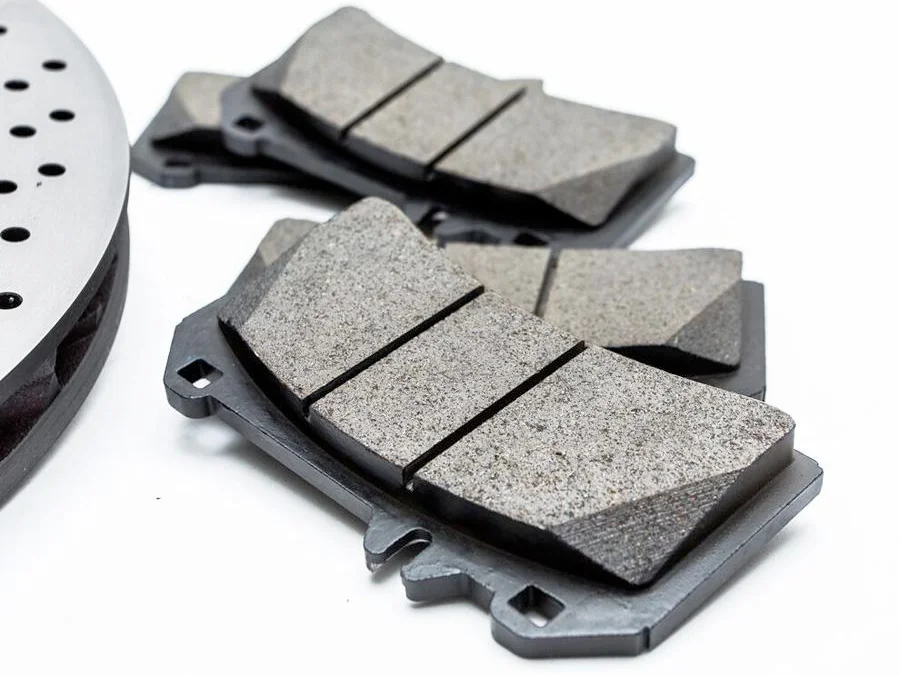
Material Types and Their Impact on Brake Pad Longevity
When it comes to pads for brakes, the material composition plays a decisive role in how long they last and how reliably they perform in demanding fleet conditions. The primary materials used in brake pads include semi-metallic, ceramic, and organic (NAO – Non-Asbestos Organic). Each has its own performance profile, affecting wear rates, fade resistance, and maintenance intervals.
Semi-metallic pads are popular for their durability and heat dissipation, often lasting between 60,000–100,000 km in heavy-duty applications. Ceramic pads offer quieter operation and reduced dust, with a typical service life of 70,000–120,000 km. Organic pads, while gentler on rotors and quieter, may require more frequent replacement, especially in stop-and-go urban fleets.
- Semi-metallic: 60–70% metal content, ideal for high-load vehicles, withstands up to 500°C
- Ceramic: Low metal content, quieter, lifespan up to 120,000 km
- Organic (NAO): Resin-based, softer, typical lifespan 40,000–70,000 km
- Friction coefficient: 0.35–0.45 for most commercial pad materials
- Recommended replacement: When pad thickness falls below 3 mm

Performance Under Load and Fade Resistance
For fleets operating in mountainous regions or carrying heavy cargo, brake fade resistance is a critical consideration. Pads for brakes made from high-quality semi-metallic or advanced ceramic compounds are engineered to maintain consistent friction even at elevated temperatures. This helps prevent loss of stopping power during extended downhill descents or repeated hard braking cycles.
Data shows that ceramic pads typically exhibit less thermal expansion, reducing the risk of warping and maintaining steady performance across temperature ranges. Semi-metallic pads, while robust, may generate more noise and rotor wear but remain reliable under sustained heavy use.
- Temperature range: Semi-metallic up to 500°C, ceramic up to 600°C
- Fade resistance: Ceramic pads maintain >90% effectiveness after repeated stops
- Urban fleets: Organic pads may overheat after 20+ continuous stops
- Load capacity: Semi-metallic ideal for vehicles above 10 tons
- Rotor compatibility: Ceramic pads reduce rotor scoring by up to 30%
Warning Signs
- Sudden increase in stopping distance after repeated descents
- Visible glazing or discoloration on pads
- Unusual burning smell during operation

Inspection and Maintenance Practices to Maximize Pad Life
Routine inspection is essential to ensure that pads for brakes perform reliably and last as long as possible. Fleet managers should implement regular checks for pad thickness, wear patterns, and signs of uneven wear, especially after heavy-duty cycles or long-distance hauls. Proper documentation of brake pad material and service intervals can prevent premature failures and support compliance with safety standards.
It is recommended to inspect brake pads every 15,000–20,000 km or at every scheduled service, whichever comes first. Using digital calipers to measure pad thickness and monitoring for embedded debris or cracks can prevent costly downtime and maintain fleet safety.
- Inspection frequency: Every 15,000–20,000 km
- Minimum pad thickness: 3 mm (replace below this)
- Check for: Uneven wear, embedded metal, cracks
- Service records: Track pad type and mileage for each vehicle
- Rotor condition: Replace or resurface if scoring exceeds 0.5 mm
Warning Signs
- Ignoring scheduled inspections leads to unexpected failures
- Reusing worn-out hardware during pad replacement
- Failure to match pad material to vehicle application

Choosing the Best Pads for Brakes: Key Considerations for Fleets
Fleet managers should select pad materials based on vehicle load, typical routes, and compliance requirements. For heavy-duty trucks or buses, semi-metallic or advanced ceramic pads often deliver the best balance of lifespan and performance. Lighter-duty delivery vehicles may benefit from organic pads if quiet operation and rotor longevity are priorities.
Factoring in supplier reputation, warranty coverage, and ease of sourcing can further support uptime and reduce total cost of ownership. Always verify that the selected pads for brakes meet or exceed OEM and regulatory standards for your fleet’s operating regions.
- Match material: To vehicle weight and duty cycle
- Verify certification: ECE R90 or local compliance marks
- Warranty: Look for 50,000 km+ coverage
- Supplier support: Ensure parts availability reduces downtime
Conclusion
Comparing brake pad materials is essential for maximizing fleet uptime, safety, and regulatory compliance. Regular inspection and matching the right pads for brakes to your vehicles’ needs can significantly extend service intervals and reduce overall costs. Schedule a thorough brake inspection today or consult with an expert to ensure your fleet is equipped with the most durable, compliant pads for the road ahead.