


Upfront Price: The Real Cost of Brake Oil
When it comes to maintaining your car, the upfront cost of consumables like brake oil is often the first thing drivers consider. Brake oil, also known as brake fluid, is essential for transferring the force from your foot on the brake pedal to the brake pads themselves. While it might be tempting to choose the lowest-priced option, it’s important to understand what you’re really paying for—and what you might risk by cutting costs.
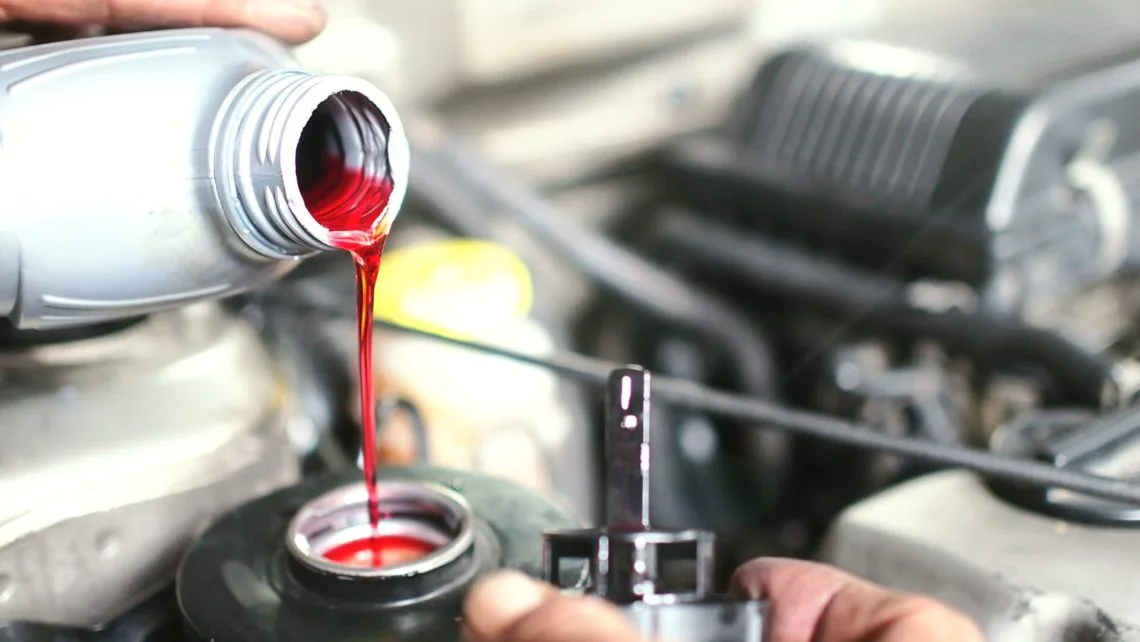
Brake oil quality varies significantly, primarily due to differences in its chemical formulation. High-grade fluids are engineered for stability under heat and pressure, which means they continue to perform even during sudden or repeated braking. Cheaper alternatives may save you a small amount initially, but they often lack the additives and stability required for consistent, safe performance.
- Entry-level brake oil: Typically costs 30–50% less than premium alternatives.
- Premium brake oil: Priced higher due to advanced additives and better temperature resistance.
- Potential repair costs: Using low-quality fluid can lead to repairs costing 5–10 times the price difference.
- Performance margin: High-quality oils maintain stopping power, reducing stopping distance by up to 15% in repeated emergency braking.
Financial risks
- Cheap brake oil may degrade faster, leading to earlier system failures.
- Inferior fluid can absorb moisture, causing corrosion and costly damage to brake components.

Lifespan and Warranty: How Long Does Brake Oil Last?
The lifespan of brake oil is determined by its ability to resist heat and absorb moisture over time. High-quality brake oil is formulated with advanced inhibitors that slow down degradation, meaning you can go longer between changes. This not only saves money on labor and materials but also maintains your vehicle’s stopping power and safety.
Most vehicle manufacturers recommend changing brake oil every 2–3 years, but this interval can be shorter if lower-quality fluids are used. Premium products like FBK brake oil are designed to meet or exceed manufacturer guidelines, often coming with warranties that protect against premature failure or system damage.
- Typical lifespan: Standard fluids last 18–24 months; premium fluids can extend this up to 36 months.
- Warranty coverage: Premium brake oil may include a 2-year warranty against fluid breakdown.
- Replacement frequency: Using high-quality oil can reduce fluid change intervals by up to 30%.
- Long-term savings: Fewer replacements mean lower lifetime maintenance costs.
Financial risks
- Out-of-warranty failures can lead to unexpected expenses, often exceeding initial savings from cheaper oil.
- Frequent fluid changes add up, erasing any upfront cost advantage.
Downtime and Replacement Frequency: The Hidden Costs
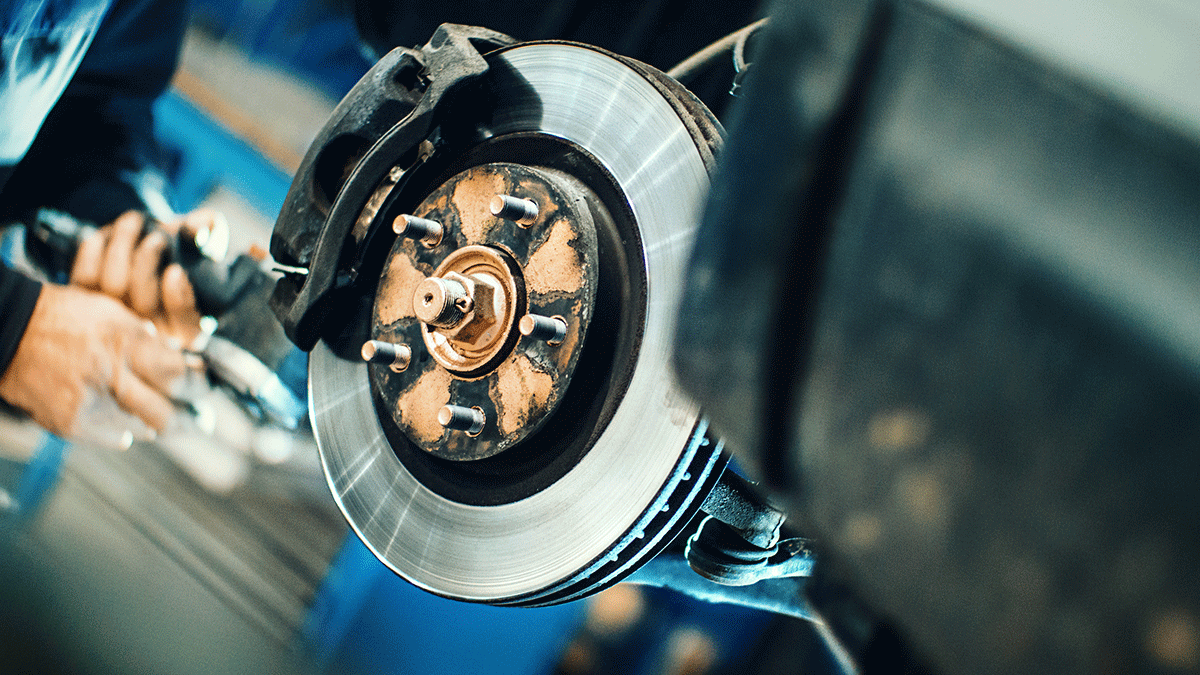
Every time your vehicle is in the workshop for brake oil replacement, it’s time you’re not on the road—whether for work, family, or personal use. Lower-quality fluids often require more frequent changes, increasing both labor costs and downtime. The inconvenience of repeated servicing can quickly outweigh the small initial savings from choosing a cheaper product.
High-performance brake oil is designed to resist breakdown even under extreme temperatures and heavy use. This stability means fewer unexpected repairs and less time spent waiting for your car to be ready again.
- Service intervals: Premium brake oil can double the interval between changes compared to budget fluids.
- Downtime per year: Frequent fluid changes can increase vehicle downtime by 4–8 hours annually.
- Labor costs: Each additional service visit increases costs by $50–$100 per occurrence.
Value highlights
- Longer-lasting brake oil reduces trips to the mechanic and associated costs.
- Less downtime means higher productivity and convenience for drivers.
Customer Satisfaction and Complaint Rates
Customer satisfaction with brake oil is closely tied to reliability, noise reduction, and consistent brake feel. Premium formulations are engineered to minimize noise and vibration, thanks to advanced friction modifiers and stabilizers. This not only results in a quieter, smoother ride, but also reduces the risk of complaints about brake performance or system failures.
Data from service centers show that vehicles using high-quality brake oil report fewer issues related to brake fade (loss of stopping power under repeated use) and wear. Investing in superior fluid can significantly lower the rate of returns and maintenance complaints.
- Complaint rates: Low-quality fluids are associated with up to 3x more service complaints.
- Brake noise/vibration: Premium brake oil reduces noise-related complaints by 20–30%.
- Customer satisfaction: Surveys indicate higher satisfaction scores among drivers using quality brake oil.
Value highlights
- Reliable braking performance gives drivers peace of mind.
- Fewer complaints translate to lower warranty and service costs for fleet operators.
Conclusion: The Value of Investing in Quality Brake Oil
While the upfront price of brake oil may seem like a small expense, its impact on your vehicle’s safety, reliability, and long-term cost of ownership is significant. Lower-cost alternatives can result in more frequent replacements, higher repair bills, and greater downtime. In contrast, high-quality products like FBK brake oil offer longer service life, superior protection against wear, and enhanced driver satisfaction.
Choosing premium brake oil is a practical investment that pays off through reduced maintenance costs, fewer complaints, and safer, quieter performance. For drivers and fleet operators alike, the real value comes not just in the price paid today, but in the peace of mind and savings delivered over the life of your vehicle.