


Scheduling a timely brake oil change is essential for maintaining the safety and reliability of your vehicle’s braking system. Brake fluid, often referred to as brake oil, plays a critical role in transferring force from the pedal to the braking components. Over time, this fluid can absorb moisture and lose its effectiveness, leading to compromised brake performance. To ensure maximum safety, manufacturers and industry experts recommend following strict maintenance schedules and using only high-quality brake fluids that have undergone rigorous laboratory testing.
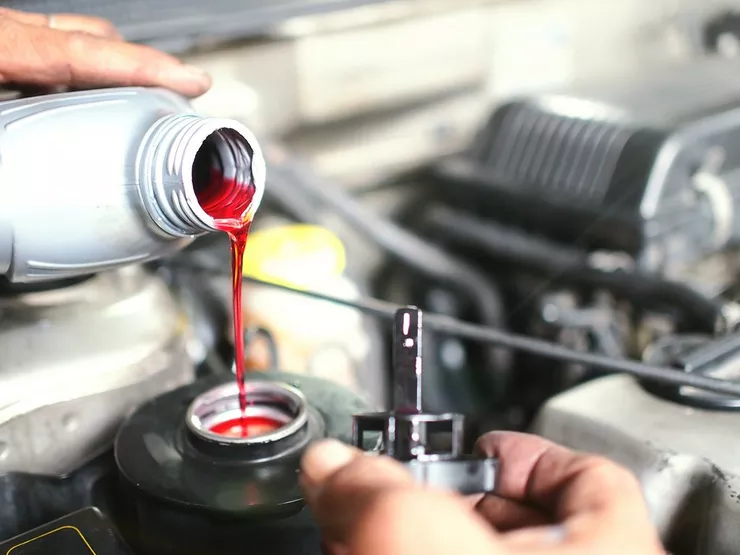
At FBK, our commitment to safety is backed by continuous testing under controlled laboratory conditions. We adhere to international standards such as JASO, SAE, and ECE R90, ensuring that every batch of brake fluid meets or exceeds performance benchmarks. This focus on quality assurance means drivers can rely on consistent and predictable braking under all conditions.
- Recommended brake oil change interval: Every 20,000 – 40,000 km or every 2 years
- Moisture absorption threshold: Replace fluid when water content exceeds 3%
- Minimum boiling point (SAE J1703): 205°C (dry), 140°C (wet)
- Tested to ECE R90 standards: Ensures safety and reliability in real-world conditions
Warning Signs
- Ignoring a soft or spongy brake pedal feel
- Delaying brake oil change beyond recommended intervals
- Mixing different types of brake fluids without compatibility checks
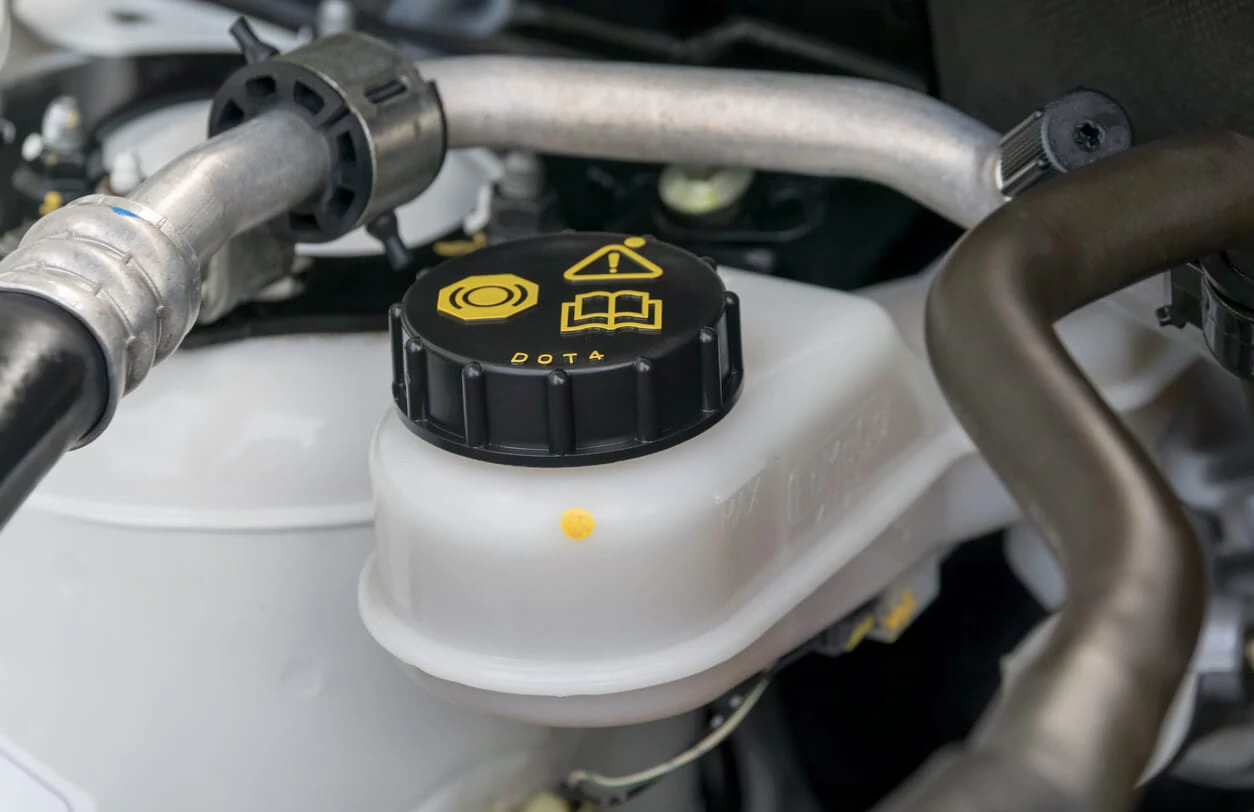
Performance Indicators: Stopping Distance, Fade, and Noise
The effectiveness of your braking system is measured by several key performance indicators. Stopping distance, brake fade, and noise levels are all critical metrics that are closely monitored during dynamometer tests and field evaluations. A timely brake oil change directly influences these factors by ensuring optimal hydraulic pressure and heat resistance within the system.
FBK conducts comprehensive dynamometer testing to simulate real-world braking events at various speeds and temperatures. This allows us to verify that our products consistently deliver short stopping distances, minimal fade, and low noise even under demanding conditions. By meeting or exceeding international standards, we help ensure every driver experiences reliable brake performance when it matters most.
- Average stopping distance (dry asphalt): 35 – 45 meters from 100 km/h
- Fade resistance temperature: Up to 300°C without significant performance loss
- Noise level threshold (SAE J2521): Below 70 dB in controlled tests
- Inspection interval: Every 10,000 km or at the first sign of decreased performance
Warning Signs
- Persistent squealing or grinding noises during braking
- Noticeable increase in stopping distance
- Brake fade after repeated stops, especially when driving downhill
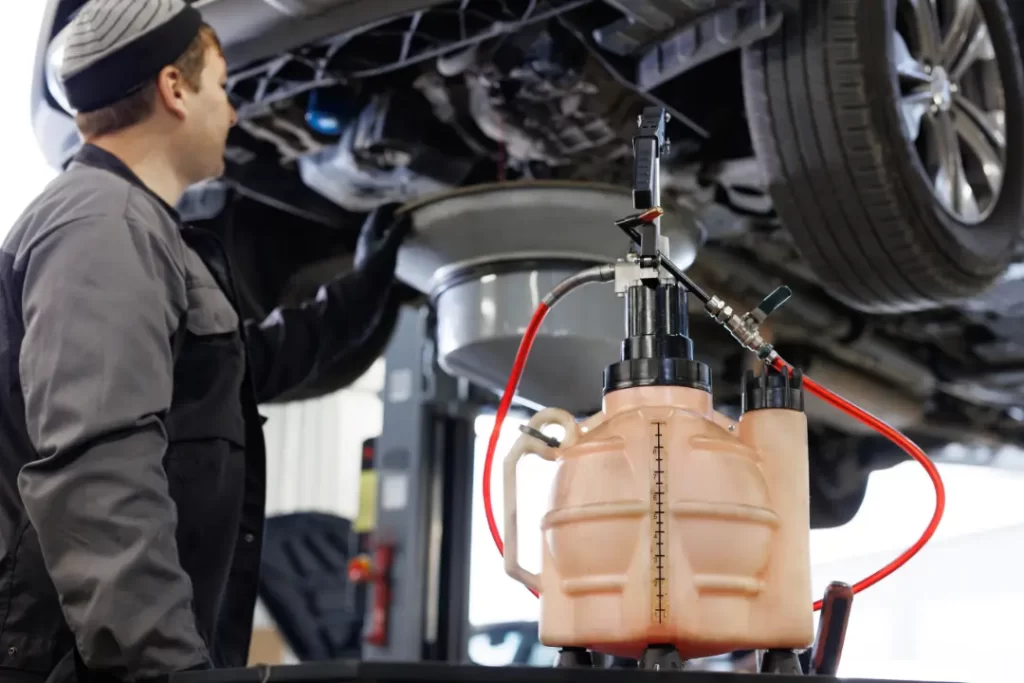
How High-Quality Friction Materials Contribute to Safer Braking
Reliable brake performance depends not only on fluid quality but also on the friction materials used in pads and discs. At FBK, we select and test advanced composites that deliver consistent friction coefficients across a wide range of temperatures and conditions. Our quality assurance process includes laboratory testing, dynamometer evaluations, and adherence to ECE R90 and JASO standards, ensuring every component works seamlessly with the brake oil change schedule for optimal safety.
Consistent testing of friction materials helps prevent variability in performance, which could otherwise lead to unpredictable braking behavior. By choosing high-quality, thoroughly tested components, drivers benefit from enhanced control, reduced wear, and lower risk of brake system failure. This approach supports the entire braking system and maximizes the impact of each brake oil change.
- Friction coefficient stability: Maintained within 0.35 – 0.45 across temperature ranges
- Recommended pad replacement interval: Every 30,000 – 50,000 km
- Laboratory-tested for wear rates: Less than 0.8mm per 10,000 km
- Compliance with ECE R90: Ensures compatibility and safety
Warning Signs
- Mixing unmatched pads and discs from different manufacturers
- Ignoring vibration or pulsation during braking
Conclusion
Consistent quality assurance and rigorous testing are the foundation of safe and reliable brake systems. By following a timely brake oil change schedule and using high-quality, thoroughly tested components, drivers can significantly reduce the risk of brake failure and enhance overall safety. FBK’s dedication to laboratory and dynamometer testing, as well as compliance with international standards, ensures every product delivers the performance and reliability you need. Prioritise tested and proven FBK braking solutions for peace of mind on every journey.