


Understanding the Importance of a 120mm Disc Brake Rotor
The 120mm disc brake rotor is a crucial component for lightweight vehicles such as bicycles, electric scooters, and small mobility devices. This compact rotor size is engineered specifically for low-weight, low-speed applications, providing efficient braking performance without adding unnecessary mass. While this size is not suitable for cars, it performs optimally in devices where agility and space efficiency are key.

A well-designed 120mm rotor offers effective heat dissipation and consistent braking performance important for bikes and e-scooters that frequently operate in urban environments with constant starting and stopping.
Moreover, the 120mm size is popular because it fits a wide range of compact personal-transport models. It provides a good balance between braking power, responsiveness, and lightweight design. Understanding these aspects helps users choose the right rotor for maintenance and upgrades.
Typical Specifications
-
Standard thickness: 1.8–2 mm
-
Weight: 80–150 g
-
Material: Stainless steel
-
Average cost: $10–$35 per rotor
-
Recommended replacement interval: Every 2,000–5,000 km
Warning Signs
-
Vibrations during braking
-
Squeaking or grinding noises
-
Reduced braking power
Benefits of Upgrading to a 120mm Disc Brake Rotor
Upgrading to a high-quality 120mm disc rotor can significantly enhance braking performance for bikes and small electric mobility devices. Premium rotors offer better heat management, reducing the risk of brake fade during longer rides or downhill braking.
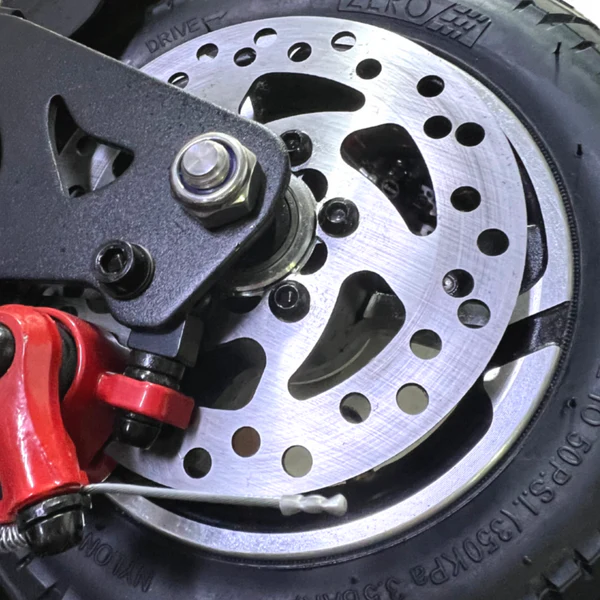
A good rotor ensures consistent pad contact and improved friction levels, allowing for shorter stopping distances. This is especially valuable in city riding where sudden stops are common. Choosing the correct rotor that matches your braking system ensures smoother and more controlled braking.
Key Benefits
-
Improved heat dissipation
-
Enhanced stopping power
-
Better performance in wet conditions
-
Compatibility with various brake pad materials
-
Reduced maintenance needs
Warning Signs That Indicate You May Need an Upgrade
-
Soft or inconsistent braking feel
-
Frequent rotor warping
-
Noticeable decrease in braking response
Maintenance Tips for Your 120mm Disc Brake Rotor
Regular maintenance is essential to keep your 120mm rotor performing reliably. Start by visually inspecting the rotor for signs of wear, rust, or warping. Even small imperfections can affect braking quality.
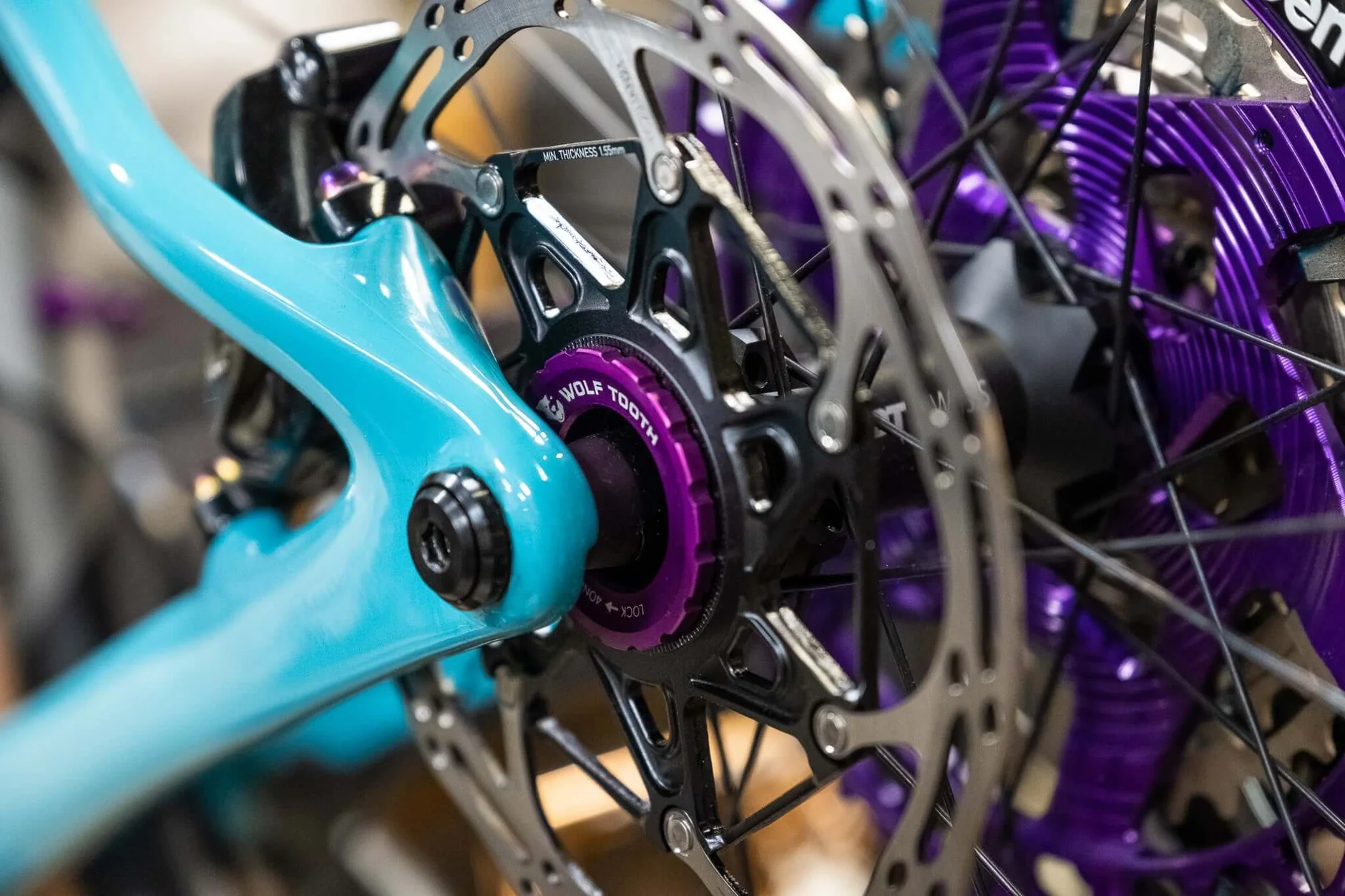
Ensure your brake pads are in good condition, as worn pads can damage the rotor surface. Keeping your braking system clean—especially free from oil or dirt—helps maintain consistent performance.
Brake systems on bikes and scooters also rely on proper brake fluid (for hydraulic systems) or cable tension (for mechanical systems). Following manufacturer maintenance intervals will help prolong rotor lifespan.
Maintenance Recommendations
-
Inspect rotors every 500–1000 km
-
Replace brake pads when worn to 1 mm
-
Keep rotor surface clean using isopropyl alcohol
-
Check for uneven wear
-
Use high-quality pads and components
Warning Signs
-
Visible grooves, cracks, or discoloration
-
Pulsation in the brake lever
-
Brake noise that persists after cleaning
Conclusion
The 120mm disc brake rotor is essential for delivering reliable braking performance in bicycles, e-scooters, and compact mobility devices. Proper maintenance, timely replacement, and attention to early warning signs ensure safe and responsive braking at all times. If you notice any concerning symptoms, consult a qualified technician or bike mechanic to keep your ride safe and efficient.