


When it comes to replacing brake brake pads, drivers are often faced with a choice between organic and metallic options. Understanding the differences is essential for safe and reliable vehicle performance. Drawing on decades of expertise in brake solutions, FBK helps clarify how these two types of pads compare, so you can make an informed decision for your driving needs.

Understanding Organic Brake Brake Pads
Organic brake brake pads are typically made from a blend of fibers, resins, and fillers. These materials are formulated in-house by experienced manufacturers like FBK, who collaborate closely with test laboratories to ensure consistent quality and performance. Organic pads are known for their quiet operation and gentle wear on rotors, making them a popular choice for everyday driving.
One of the key advantages of organic pads is their ability to provide smooth braking at lower temperatures. However, they tend to wear faster under aggressive driving or heavy loads. FBK’s advanced manufacturing processes have refined organic formulas to maximize both comfort and durability.
- Typical lifespan: 30,000–50,000 km under normal driving conditions.
- Recommended rotor thickness: Do not allow below 10 mm for safe operation.
- Optimal temperature range: 0°C to 350°C for best performance.
- Noise level: Generally low, especially during city driving.
Warning Signs
- Noticeable decrease in stopping power, especially in wet conditions.
- Excessive brake dust or uneven pad wear.
- Squealing or grinding noises when braking, indicating pads may be worn out.
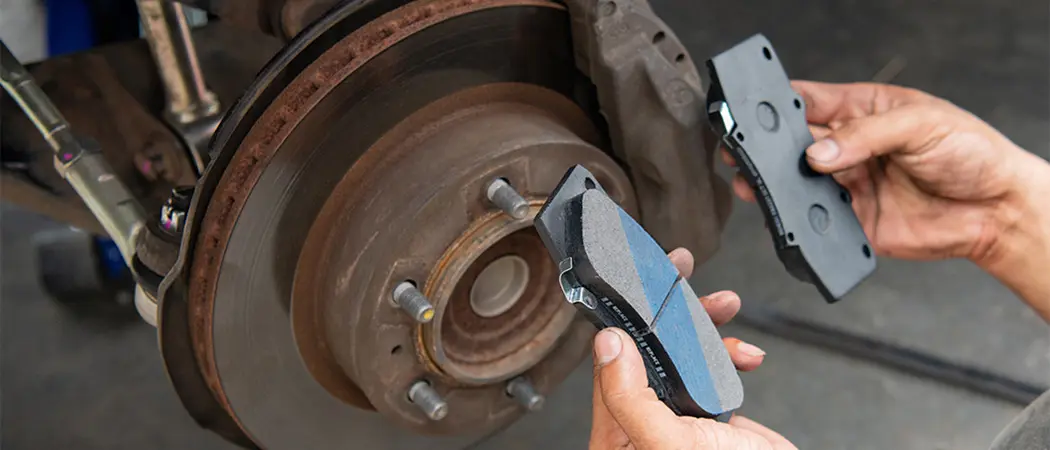
Metallic Brake Brake Pads: Performance and Durability
Metallic brake brake pads are constructed using a mixture of iron, copper, steel, and graphite. This composition results in pads that are highly durable and capable of withstanding higher temperatures. FBK’s long-standing collaboration with materials scientists and test labs has led to metallic pads that excel in demanding driving environments.
While metallic pads provide superior stopping power, especially at elevated temperatures, they may generate more noise and wear down rotors faster. The advanced in-house formulation at FBK ensures optimal balance between performance and rotor longevity, making these pads suitable for drivers who prioritize braking strength.
- Typical lifespan: 40,000–70,000 km, depending on driving style.
- Temperature tolerance: Effective up to 500°C or higher.
- Braking conditions: Ideal for high-speed, towing, or mountainous terrain.
- Noise level: May be higher than organic pads, especially when cold.
Warning Signs
- Blue discoloration on rotors from excessive heat.
- Vibration or pulsing sensation during braking.
- Unusual metallic grinding sounds indicating pad or rotor damage.

Choosing Between Organic and Metallic Brake Brake Pads
Selecting the right brake brake pads depends on your driving habits and vehicle requirements. For daily commuters who value quiet performance and minimal rotor wear, organic pads are often the preferred choice. In contrast, drivers who frequently encounter steep hills, heavy loads, or spirited driving may benefit from the robustness of metallic pads.
FBK’s commitment to advanced manufacturing and rigorous laboratory testing ensures that both organic and metallic pads meet the highest safety and performance standards. Consulting with a professional or referencing your vehicle’s manual can further guide your choice, ensuring optimal braking efficiency.
- Driving style: City vs. highway, aggressive vs. gentle braking.
- Vehicle type: Heavier vehicles may require metallic pads for added durability.
- Climate: Organic pads perform better in colder, urban environments.
- Cost considerations: Metallic pads may have a higher upfront cost but offer longer lifespan.
Inspection and Maintenance Tips
Regular inspection of your brake brake pads is essential for safe driving. FBK’s decades of experience underline the importance of routine checks, as even high-quality pads can wear unevenly due to driving conditions or installation issues. Monitoring pad thickness and rotor condition can prevent costly repairs and maintain optimal braking performance.
It’s recommended to visually inspect pads every 10,000 km and listen for any unusual noises during braking. Always replace pads before they reach the minimum thickness specified by your vehicle manufacturer to avoid compromising safety.
- Minimum pad thickness: Replace when below 3 mm.
- Inspection frequency: Every 10,000 km or at every oil change.
- Rotor surface: Check for grooves, cracks, or excessive wear.
- Professional consultation: Seek expert advice if unsure about pad condition.
Conclusion
Understanding the differences between organic and metallic brake brake pads enables drivers to make choices that suit their specific needs. Whether you prioritize quiet operation or enhanced durability, FBK’s extensive expertise ensures every pad meets stringent safety and performance standards. For peace of mind, inspect your pads regularly and consult a professional when selecting the right FBK brake solution for your vehicle.