


Maximizing the lifespan of your brake pads is crucial for both safety and cost efficiency. By adopting a proactive maintenance approach and understanding the factors that contribute to wear, you can ensure your vehicle operates reliably while reducing unnecessary expenses. This article covers essential safety practices, key performance indicators, and the role of high-quality friction materials, all with a strong focus on laboratory testing and international standards that guarantee dependable brake pad performance.
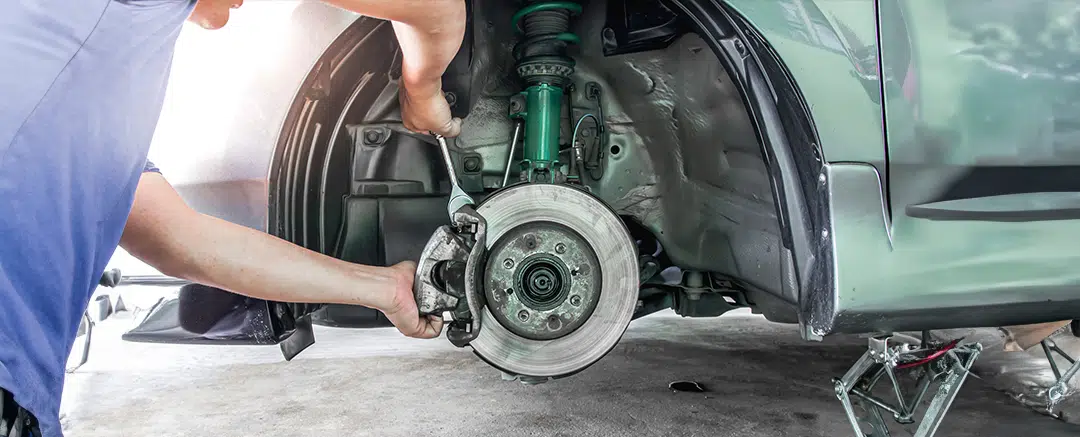
Brake Safety Fundamentals
Safe driving begins with well-maintained brake pads. Regular inspection and proper usage can significantly extend their service life. Adhering to established guidelines—such as those set out by international standards like SAE and ECE R90—ensures that your brake components meet rigorous safety and performance benchmarks. Consistent testing in laboratory conditions verifies that brake pads can withstand real-world demands and provide reliable stopping power.
Understanding how your driving habits affect brake wear is equally important. Aggressive braking, excessive loads, and frequent stop-and-go traffic can accelerate pad degradation. By moderating these factors, you can help protect your investment in quality brake pads.
- Inspection intervals: Every 10,000–15,000 km or as recommended by your vehicle manufacturer
- Minimum pad thickness: 3 mm is generally considered the minimum safe limit
- SAE & ECE R90 standards: Ensure laboratory-verified safety and performance
- Dynamometer testing: Simulates real-world braking cycles for accurate wear assessment
- Proper bedding-in: Follow manufacturer guidelines to optimize pad surface contact
Safety notes
- Always check for unusual sounds or vibrations during braking
- Replace both pads on an axle simultaneously for balanced performance
- Consult a professional if you notice a decrease in braking efficiency

Performance Indicators: Stopping Distance, Fade, and Noise
The performance of your brake pads is measured by more than just their physical appearance. Key indicators such as stopping distance, brake fade, and operational noise highlight the health and effectiveness of your braking system. Laboratory and dynamometer tests, performed in accordance with JASO and SAE protocols, provide objective results to help you understand when your pads may need attention.
Monitoring these indicators allows you to take corrective action before minor issues develop into major safety concerns. Consistent performance, even under demanding conditions, signals that your brake pads are functioning as intended and have been manufactured to high standards.
- Typical stopping distance: 40–60 meters from 100 km/h (vehicle dependent)
- Fade resistance: Reliable pads maintain performance above 300°C
- Noise threshold: Squealing or grinding above 70 dB often indicates excessive wear
- Vibration levels: Should remain below 0.5 G during normal braking
- Test cycles: Quality pads are tested for over 1,000 cycles in lab conditions
Performance tips
- Allow brakes to cool between repeated hard stops to reduce fade
- Listen for changes in braking sound or pedal feel
- Track your vehicle’s stopping distance periodically
Warning Signs
- Sharp grinding or metallic noises during braking
- Noticeable increase in stopping distance
- Brake warning light illuminated on the dashboard
Address these issues immediately to maintain safe operation and prevent damage to other components.

High-Quality Friction Materials and Their Role
The longevity and reliability of your brake pads brake pads are directly linked to the quality of their friction materials. Advanced compounds, developed through extensive laboratory research and dynamometer testing, offer better resistance to wear, heat, and environmental factors. Manufacturers that adhere to international testing standards, such as JASO C406 and ECE R90, deliver products that consistently meet stringent performance and safety criteria.
Choosing brake pads made from superior materials not only extends their service life but also provides consistent braking power across a range of conditions. This attention to material science and rigorous testing is what sets high-quality products apart from generic alternatives.
- Material composition: Semi-metallic, ceramic, or organic blends tested for optimum performance
- Wear rate: Less than 0.5 mm per 10,000 km under standard conditions
- Temperature resistance: Stable friction at temperatures up to 500°C
- International standards: ECE R90 certification ensures consistent quality
- Environmental resistance: Tested for corrosion and humidity exposure
Material selection tips
- Choose pads certified to international standards for proven reliability
- Look for brands that publish test results and certification details
- Consider your driving style and environment when selecting pad material
Conclusion
Extending the life of your brake pads brake pads is achieved through a combination of informed maintenance, careful monitoring of performance indicators, and selecting products that have been thoroughly tested against international standards. By prioritizing safety and quality assurance, you can ensure reliable braking performance and peace of mind on every journey. For drivers who demand the highest levels of safety, FBK’s well-tested braking solutions represent a smart investment in both performance and long-term value.