


Reliable brake pads and brakes are fundamental to a safe and enjoyable driving experience. For workshops and mechanics, understanding how to select and evaluate quality braking components is essential for ensuring customer satisfaction, performance, and safety. This practical guide explores the impact of high-quality brake pads and brakes across different vehicle types, providing actionable tips for inspection, replacement, and matching products to real-world needs.
Passenger Cars: Comfort and Performance
Passenger vehicles demand brake pads and brakes that balance smooth stopping power with quiet operation and minimal dust. Drivers expect consistent pedal feel, low noise, and confidence in all weather conditions. As a mechanic, it’s crucial to assess wear indicators, listen for squealing or grinding, and check for uneven rotor wear during routine service. Quality pads minimize vibration and extend rotor life, directly enhancing daily driving comfort.
When selecting or recommending brake pads for passenger cars, consider the owner’s driving style and typical traffic conditions. Urban driving with frequent stops puts different demands on the pads compared to highway cruising. Always verify the pad’s friction rating and ensure compatibility with the vehicle’s original specifications.
- Operating conditions: Frequent stop-and-go, urban and suburban traffic
- Recommended friction level: Medium to high for responsive braking
- Mileage expectation: 30,000–60,000 km depending on use
- Common duty cycle: Moderate, with occasional heavy braking
What to avoid
- Installing high-metallic or racing pads for everyday use—these can increase noise and wear.
- Ignoring early signs of wear such as squealing or reduced braking performance.
- Mixing pad compounds (e.g., ceramic with semi-metallic) on the same axle.
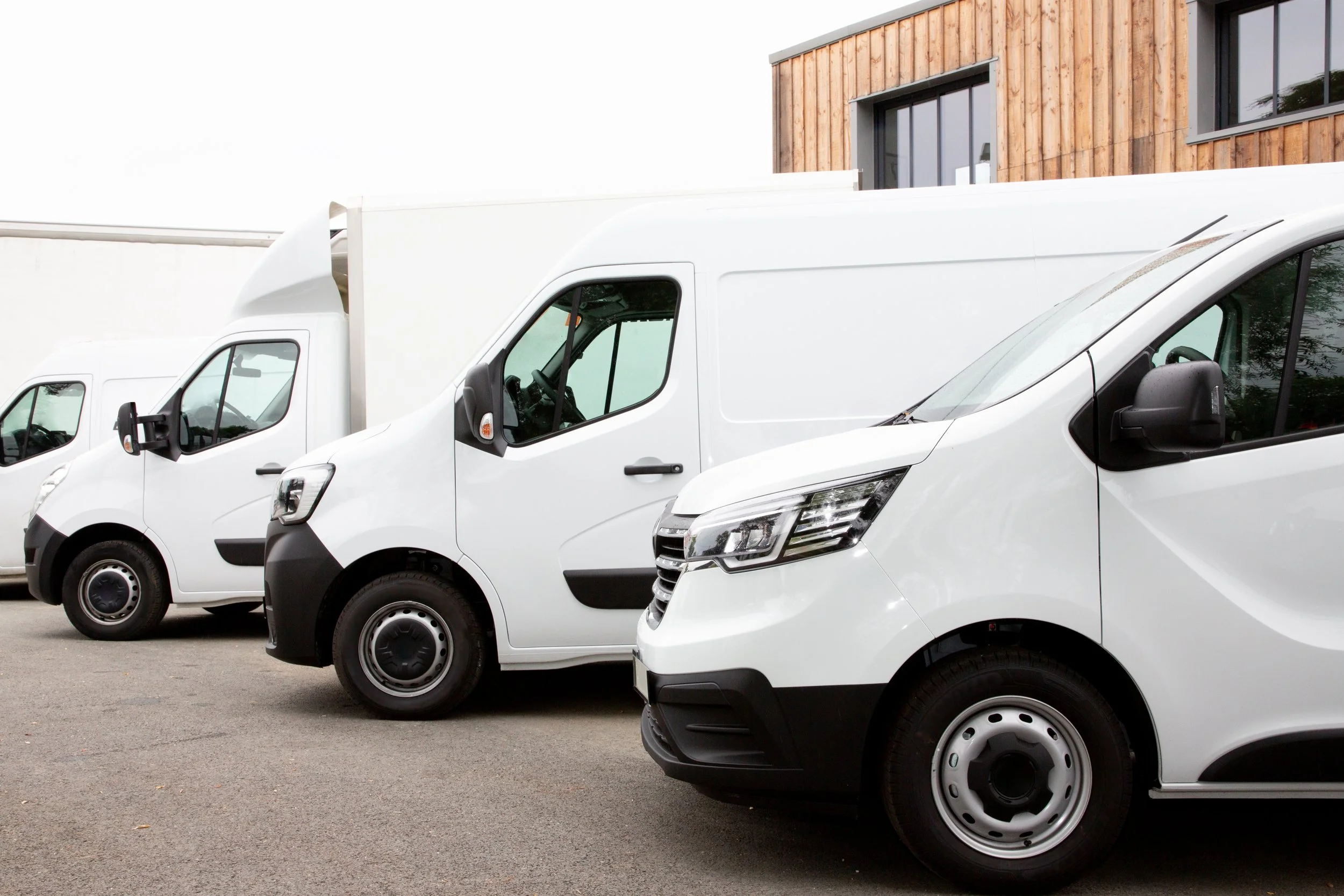
Light Commercial Vehicles: Durability Under Load
Light commercial vehicles, such as delivery vans and small trucks, operate under heavier loads and more demanding schedules than passenger cars. Here, the right brake pads and brakes are critical for maintaining stopping distances, especially when vehicles are fully loaded. Regular inspection is vital—look for heat spots, pad glazing, and signs of accelerated wear. Mechanics should measure pad thickness and check for rotor scoring at every service interval.
Choose pads designed for higher friction and durability to handle frequent stops and heavier payloads. Advise customers on the importance of early replacement to avoid rotor damage and maintain safe operation, especially for vehicles with high daily mileage.
- Operating conditions: Frequent loading/unloading, urban delivery routes
- Recommended friction level: High, for reliable stopping with heavy loads
- Mileage expectation: 20,000–40,000 km depending on load and route
- Common duty cycle: Repeated short trips with rapid stops
Critical considerations
- Using passenger car pads in commercial vehicles—these may fade quickly under load.
- Delaying pad replacement until metal-to-metal contact, risking costly rotor replacement.
- Overlooking heat damage—discoloration or cracking indicates pads are not up to the task.

Heavy-Duty and Fleet Vehicles: Reliability for the Long Haul
Heavy-duty trucks, buses, and fleet vehicles require brake pads and brakes engineered for extreme loads, high temperatures, and long duty cycles. In these applications, the right choice is essential for both safety and cost control. Mechanics should regularly inspect for pad separation, uneven wear, and cracks. Use thickness gauges and measure rotor runout to ensure all components are within manufacturer tolerances.
Fleet managers benefit from pads with consistent performance over long intervals, minimizing downtime. Always select products rated for the vehicle’s gross weight and duty cycle, and monitor for vibration or unusual noises that may indicate early failure.
- Operating conditions: Continuous operation, long-distance hauling, mixed terrain
- Recommended friction level: Very high, with stable performance under sustained braking
- Mileage expectation: 10,000–30,000 km depending on load and terrain
- Common duty cycle: Heavy loads, prolonged braking on descents
Key risks
- Using light-duty pads for heavy vehicles—results in rapid wear and dangerous fade.
- Ignoring rotor cracks or heat checks—can lead to catastrophic failure.
- Delaying scheduled inspections—increases risk of brake-related incidents.
Conclusion
Choosing quality brake pads and brakes is more than a matter of performance—it’s about safety, comfort, and reliability for every vehicle type. For workshops and mechanics, matching FBK braking products to the specific application and duty cycle ensures customers experience smoother, quieter, and more confident driving. Always inspect carefully, follow manufacturer guidelines, and select the right friction material to enhance every driving experience.