


The Importance of OEM Parts in Brake Safety
When it comes to ensuring the safety of your vehicle, choosing OEM parts for brake repairs is critical. Original Equipment Manufacturer, components are specifically engineered to meet your vehicle’s precise requirements. Using these parts means you’re maintaining the same safety standards set by your vehicle’s maker, directly impacting your ability to stop safely and protect everyone on board.
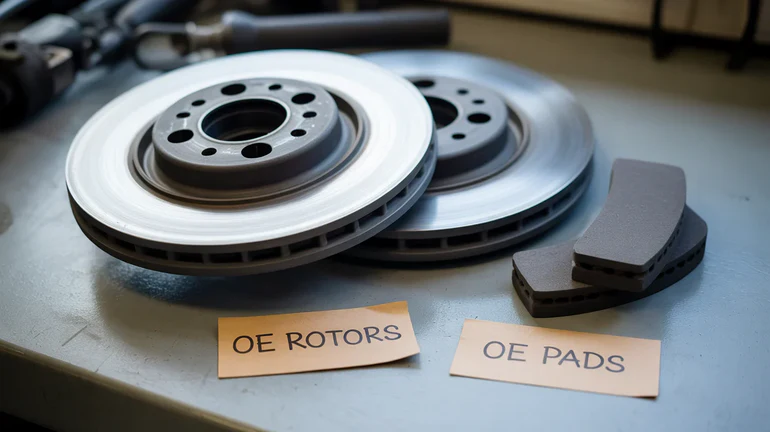
Choosing alternatives to original parts can introduce unexpected risks. Non-OEM components may not always adhere to the stringent testing and quality controls that original parts undergo, potentially compromising braking performance, longevity, and, most importantly, safety. Every time you press the brake pedal, you rely on a system designed for reliability; deviating from OEM specifications can introduce variables with serious consequences.
- OEM brake pads are designed to operate within specific temperature ranges, typically up to 500°C, ensuring consistent performance.
- Brake disc thickness should not fall below the manufacturer’s minimum limit, often around 20mm for many vehicles.
- Original components typically last 30,000–70,000 kilometres depending on driving conditions and maintenance.
- Using non-OEM parts may increase stopping distances by 10% or more in emergency situations.

Hidden Financial and Safety Risks of Non-OEM Components
While aftermarket or non-OEM parts might seem like a cost-saving measure at first, they often carry hidden expenses that can add up quickly. These costs are not only monetary; they also include increased risk of brake failure, more frequent repairs, and greater exposure to accidents. The integrity of your braking system depends on each part functioning exactly as intended, especially under stress.
Non-OEM parts may wear out faster or react unpredictably in extreme conditions, such as heavy loads or sudden stops. This can lead to higher maintenance costs and greater downtime, especially for commercial vehicles carrying precious cargo. Ultimately, any compromise in braking efficiency increases the risk to drivers, passengers, and goods.
- Aftermarket brake pads can wear out 20–30% faster than original equivalents.
- Poorly matched components may cause brake fade at lower temperatures, reducing safety margin during prolonged braking.
- Frequent replacement and labor costs can exceed the initial savings from non-original parts within 12 months.
- Inconsistent performance can lead to longer stopping distances, especially in wet or slippery conditions.
Warning Signs
- Noticeable vibration or noise when braking may indicate incompatible or low-quality parts.
- Brake warning light activation after recent repairs suggests improper installation or unsuitable components.

Installation and Inspection: Key Steps for Safe Operation
Even the highest quality original parts require proper installation and regular inspection to ensure maximum safety. Professional installation by trained technicians ensures that every component is fitted correctly and functions as designed. Regular inspections help catch early signs of wear, preventing small issues from becoming major safety hazards.
For commercial fleets or vehicles frequently exposed to tough conditions, scheduled brake inspections are a critical aspect of risk reduction. Checking for correct pad thickness, rotor condition, and fluid levels can prevent sudden failures and maintain safety standards. Using original parts during these checks guarantees compatibility and reliability every time you brake.
- Inspect brake pad thickness every 10,000–15,000 kilometres or as recommended by your vehicle manufacturer.
- Replace brake fluid every 2 years or 40,000 kilometres to prevent moisture buildup and corrosion.
- Check for uneven wear, which can signal improper installation or substandard components.
- Ensure all hardware (clips, shims, bolts) are OEM-approved to maintain correct brake function.
What to Pay Attention To
- Unusual squealing or grinding noises can indicate that pads are worn below safe limits.
- Pulsation in the brake pedal may be a sign of warped rotors or incorrect part fitment.

How Original Parts Reduce Risk in Extreme Conditions
Driving in heavy traffic, mountainous terrain, or under high load conditions puts additional stress on your braking system. OEM parts are tested for durability and consistent performance in a wide range of scenarios, from emergency stops to long descents. This level of reliability is crucial for keeping everyone safe—even when conditions are far from ideal.
By sticking with OEM parts, you can be confident that your brakes will respond predictably, time after time. This peace of mind is invaluable when transporting passengers or cargo, where a single failure could have serious consequences. In critical moments, the difference between OEM and non-OEM can be the difference between a safe stop and a dangerous situation.
- OEM brake pads maintain effectiveness even after multiple high-speed stops without significant fade.
- Tested to meet or exceed original braking performance in both dry and wet conditions.
- Consistent friction characteristics across a wide temperature range, from -30°C to 500°C.
- Engineered for heavy-duty applications such as towing, frequent stopping, or long downhill runs.
Conclusion
Choosing OEM parts, ensuring proper installation, and committing to regular inspection are the pillars of brake safety. These practices safeguard everyone on the road and protect your investment in your vehicle or fleet. Don’t take chances—inspect your brakes today, consult a professional, and select the right FBK products to ensure your vehicle remains safe in every condition.