


When comparing rear brake pads, the question of which material works best is central to both safety and performance. As an engineer, I’ll break down the key phases of choosing, installing, and monitoring rear brake pads, focusing on the most commonly used materials: semi-metallic, ceramic, and organic (NAO—Non-Asbestos Organic).
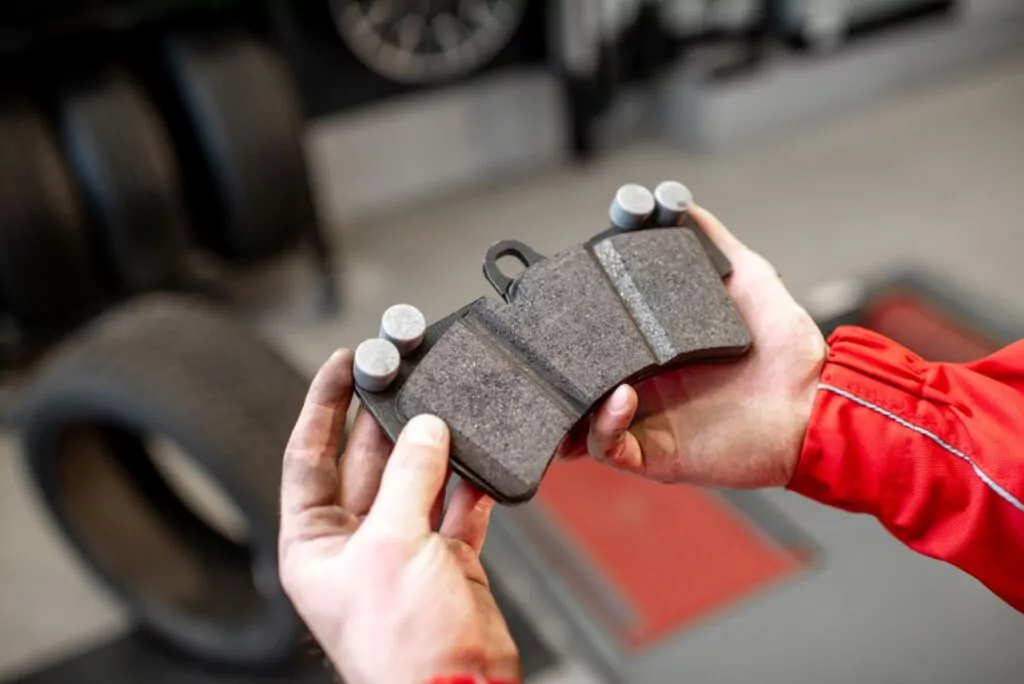
Evaluating Rear Brake Pad Materials: Before You Decide
Understanding Material Differences
Before selecting new rear brake pads, it’s crucial to understand how different materials perform under real-world conditions. Semi-metallic pads contain steel fibers and offer high durability and heat resistance, making them suitable for heavier vehicles or those used in demanding environments. Ceramic pads, on the other hand, provide quieter operation and generate less dust, but may not handle repeated high temperatures as well as semi-metallic options. Organic pads are softer and quieter, but tend to wear faster and are less effective under heavy braking loads.
The friction coefficient—a measure of a pad’s grip on the disc—is a key factor. Semi-metallic pads typically offer a higher and more stable friction coefficient, especially as temperatures rise. Ceramic pads provide consistent performance at moderate temperatures, while organic pads may suffer from heat fade during prolonged braking.
- Check your vehicle’s OEM specifications for recommended rear brake pad materials.
- Assess your driving conditions—heavy loads or frequent hills may favor semi-metallic pads.
- Review manufacturer test data on friction coefficient and wear rates for each pad type.
- Consider noise and dust if you prioritize comfort and easy maintenance.

Rear Brake Pads: During Selection and Installation
During Installation Checklist
Once you’ve chosen a material, it’s important to ensure correct fitment and installation to maximize safety and effectiveness. Incorrect installation can negate the benefits of even the best rear brake pads, leading to uneven wear or reduced stopping power.
Brake pad thickness and backing plate dimensions must match the vehicle’s requirements precisely. For example, a pad that’s too thick can cause dragging, while a thin pad may not seat properly, leading to noise or premature wear. Carefully monitor pad orientation, as some designs are directional for optimal performance.
- Verify part numbers and references against your vehicle’s specifications before installation.
- Measure pad thickness and dimensions with a caliper to confirm correct sizing.
- Clean and inspect the disc surface for wear patterns or scoring before fitting new pads.
- Apply high-temperature brake grease to contact points to prevent squealing (especially with ceramic pads).
- Follow the bedding-in procedure recommended by the pad manufacturer to optimize friction development.
Warning Signs: Installation and Material Issues
Critical safety warning: If you notice immediate squealing, vibration, or poor initial bite after installation, stop and re-inspect the rear brake pads. These symptoms can indicate incorrect material choice, improper installation, or contamination (such as grease or oil on the pad surface). Always address these issues before driving further.
After-Installation Follow-Up: Testing and Inspection
After-Installation Follow-Up
Proper material choice for rear brake pads must be validated through real-world testing. The first 500–1,000 km are critical for monitoring performance and identifying any issues such as heat fade (loss of braking power after repeated stops), abnormal noise, or excessive dust.
Wear patterns should be even across the pad’s surface; uneven wear can signal misalignment or incompatibility with the disc material. Ceramic pads should remain quiet and dust-free, while semi-metallic pads may show slight noise under hard braking—this is normal if the pad is otherwise functioning correctly. Organic pads should not display rapid thickness loss; if they do, it may indicate unsuitability for your driving style.
- Monitor braking performance over the first 500–1,000 km for any reduction in stopping power.
- Inspect pad and disc surfaces for uneven wear or glazing.
- Check for persistent noise, vibration, or dust and compare to initial expectations for your chosen material.
Conclusion
Comparing rear brake pad materials—semi-metallic, ceramic, and organic—requires a careful process before, during, and after installation. Each material has strengths: semi-metallic for durability and high loads, ceramic for low dust and quiet operation, and organic for smooth, gentle braking. No single material is best for all scenarios; the right choice depends on your vehicle, driving style, and maintenance habits. By following a structured process of evaluation, installation, and post-installation checks, you ensure that your rear brake pads deliver safe, reliable, and long-lasting performance. Treat brake pad selection and care as an ongoing responsibility to maintain optimal braking and vehicle safety.