

Understanding what determines brake pads price is crucial for anyone looking to balance quality, performance, and long-term savings. Not all brake pads are created equal, and the factors that affect their cost go far beyond just the initial purchase. This article will break down the five most important elements that impact what you pay for brake pads, helping you make informed decisions that protect both your vehicle and your wallet.

1. Upfront Price: Materials and Manufacturing Complexity
The most obvious part of brake pads price is the sticker cost, which is largely determined by the friction material and how the pad is made. Friction material refers to the compound that actually creates the stopping force against your car’s brake rotor. High-quality pads use advanced materials like ceramic composites or semi-metallic blends, which offer better stopping power and durability but cost more to produce.
Manufacturing complexity also plays a role. Pads with precision-engineered shims, slots, or coatings (such as anti-noise layers) tend to cost more upfront, but these extras often translate to quieter operation and less vibration.
- Budget pads: Often made from basic organic materials; prices start from $20–$40 per set.
- Premium ceramic or semi-metallic pads: Generally range from $50–$120 per set.
- Advanced noise-reducing features: Can add $10–$20 more per set.
- FBK’s engineered pads: May cost more upfront but are designed for low dust and minimal noise.
Financial risks
- Cheaper pads may wear out quickly, leading to more frequent replacements.
- Lower initial cost can mean higher total expenses over time.
2. Lifespan and Warranty Support
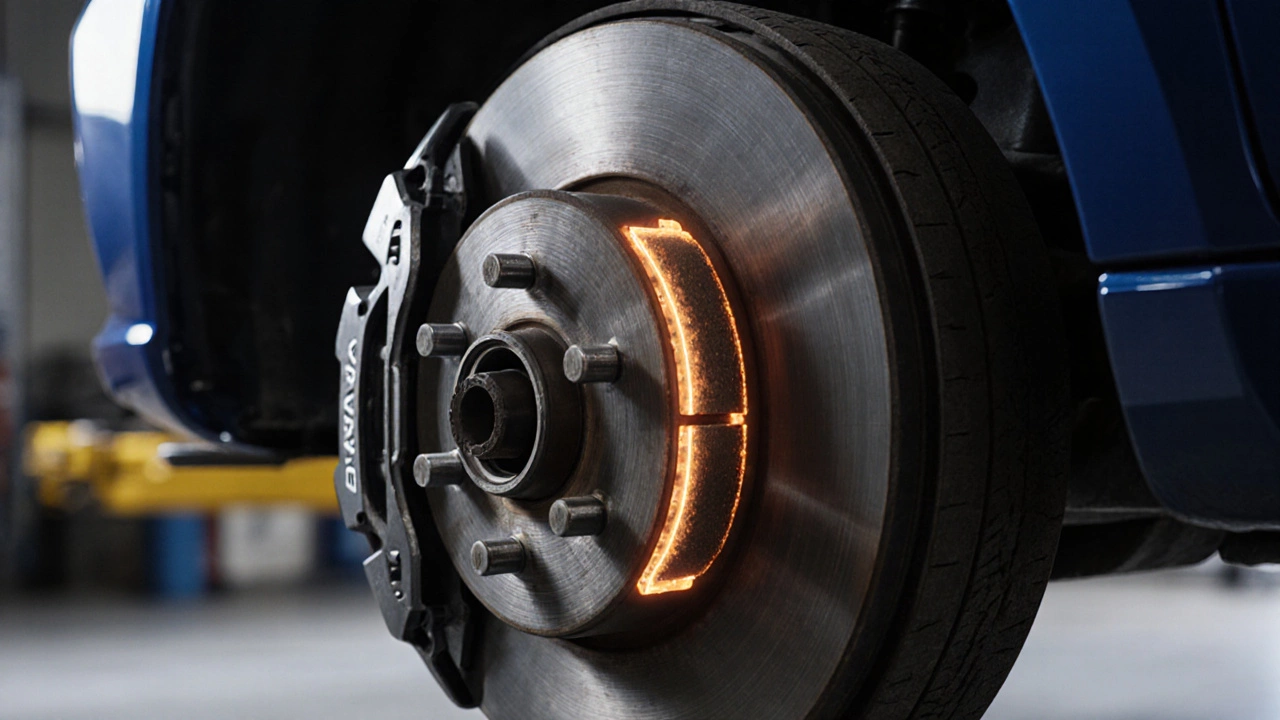
Another key factor in brake pads price is how long the pads last before needing replacement. Pads made with superior friction formulations, such as those from FBK, are engineered for extended service intervals. Longer lifespan means fewer replacements, which can offset a higher purchase price.
Warranty is also a hidden value. A longer or more comprehensive warranty can signal that the manufacturer stands behind their product, reducing your risk of unexpected costs due to premature failure.
- Typical lifespan: Budget pads last 20,000–30,000 km; premium pads 40,000–70,000 km.
- Warranty periods: Range from 6 months (budget) to 2 years (premium/FBK).
- Estimated savings: Using longer-lasting pads can reduce replacement frequency by up to 50% over five years.
Value highlights
- Longer-lasting pads decrease the hassle and cost of frequent workshop visits.
- Better warranties protect against manufacturing defects and early wear.
3. Downtime and Replacement Frequency
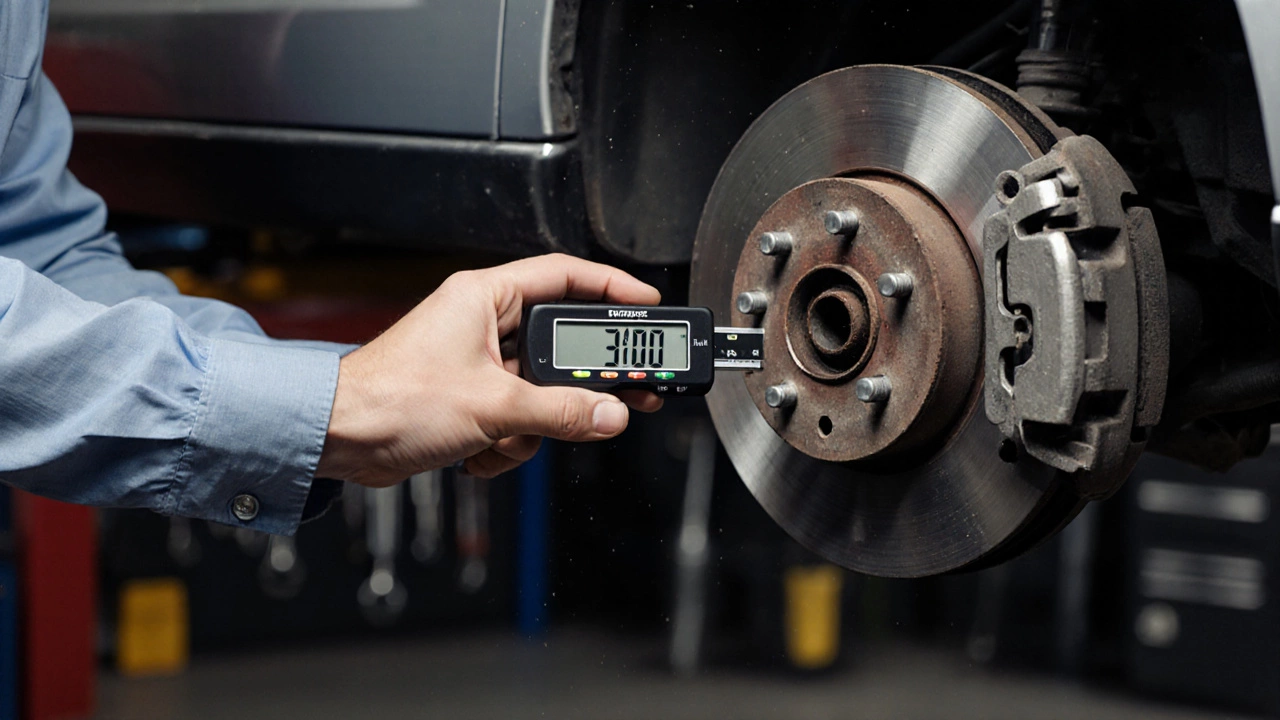
The true cost of brake pads includes more than just the part itself. Every time you need to replace your pads, you incur labor costs and vehicle downtime. Pads that wear out quickly or unevenly can lead to more frequent shop visits, lost time, and additional expenses, especially if they cause collateral damage to rotors or calipers.
High-quality pads are engineered for even wear and predictable replacement intervals. This reliability is essential for fleet operators or anyone who needs consistent performance without unexpected service interruptions.
- Labor costs: Typical brake pad replacement labor is $50–$100 per axle.
- Downtime impact: Each shop visit can mean several hours off the road.
- Replacement frequency: Budget pads may require 2–3 replacements for every 1 set of premium pads.
Financial risks
- Frequent replacements can double or triple total brake system maintenance costs.
- Unexpected downtime can disrupt business or personal schedules.

4. Customer Satisfaction and Complaint Rates
Customer satisfaction directly influences the long-term value of brake pads. Products with high complaint rates often have hidden costs, such as noise, dust, or premature wear, that aren’t reflected in the initial brake pads price. FBK focuses on reducing issues like brake squeal and vibration through advanced engineering, which enhances driver confidence and reduces after-sales problems.
Low-quality pads may generate more returns, warranty claims, and negative reviews. These issues can cost both time and money, especially for fleet managers or commercial operators.
- Complaint rates: Low-grade pads can have up to 15–20% return rates due to noise or rapid wear.
- Dust generation: Cheaper pads often create 2–3 times more brake dust, affecting wheel appearance and requiring more cleaning.
- FBK’s focus: Advanced material formulation reduces complaints and increases repeat customer loyalty.
Value highlights
- Fewer complaints mean less time spent on returns or rework.
- Positive reviews help maintain vehicle resale value and business reputation.
Conclusion: Why Quality Wins on Brake Pads Price
When evaluating brake pads price, it’s essential to look beyond just the initial cost. Factors like material quality, lifespan, replacement frequency, and customer satisfaction all contribute to the real value you receive. Investing in premium options, such as FBK brake pads, may cost more upfront but can save money over time by reducing replacements, downtime, and complaints. Ultimately, choosing high-quality brake components is the more economical—and safer—decision for your vehicle and your budget.