


The Real Problem with Cheap Brakes and Rotors
When it comes to vehicle safety, few components are as critical as your brakes. While many everyday drivers and small business owners may be tempted by cheap brakes and rotors, these parts can come with hidden costs that far outweigh the initial savings. It’s important to understand how brake pads, shoes, and discs work together to keep your vehicle safe—and what can go wrong if you cut corners.

Brake pads and shoes create the friction needed to slow your wheels, pressing against the discs (rotors) or drums. When these parts are made with subpar materials or poor quality control, they can wear out quickly, reduce stopping power, and even damage other components in your braking system. Recognizing the problem early can prevent costly repairs and safety risks down the road.
- Minimum lining thickness: Replace brake pads when the friction material is less than 3 mm thick.
- Rotor run-out: Excessive wobble (> 0.1 mm) can cause vibration and uneven wear.
- Pad replacement interval: Typically every 30,000–50,000 km, but cheap pads may wear out sooner.
- Warning signs: Squealing, grinding, or longer stopping distances.
Common mistakes
- Assuming all brake parts are the same, regardless of price or brand.
- Ignoring early warning signs like squeaks or soft pedal feel.
- Delaying inspection or maintenance until a major issue appears.
Why Cheap Brakes and Rotors Wear Out Faster
Cheap brakes and rotors are often made with lower-grade materials and less rigorous manufacturing standards. This can lead to faster wear, reduced braking performance, and even unexpected failures under everyday driving conditions. The temptation to save money at the counter can result in higher costs over the life of your vehicle.
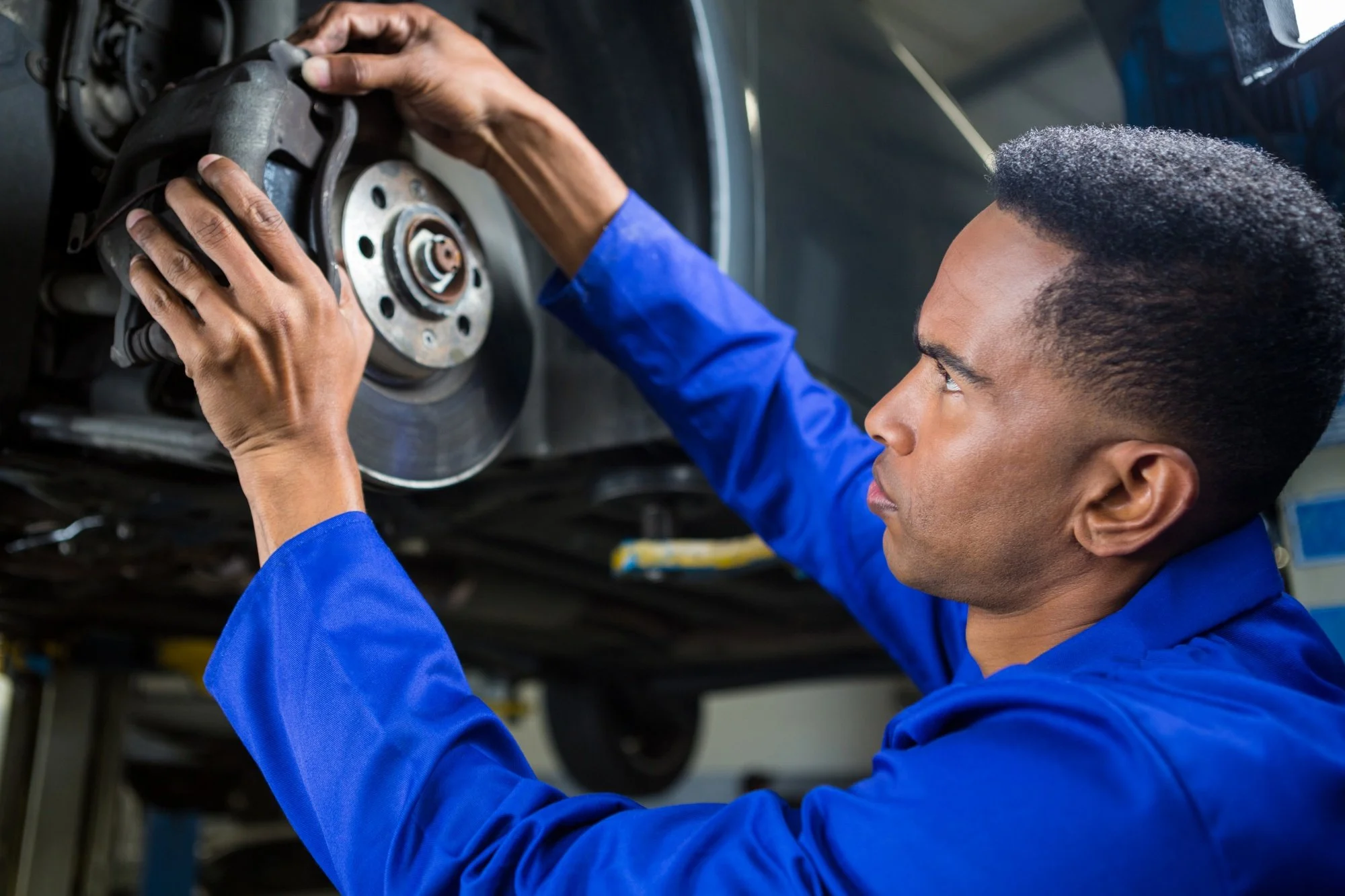
Brake components are constantly exposed to heat, friction, and environmental contaminants. Inferior parts may not be designed to handle these stresses, leading to premature thinning, cracking, or warping. Investing in tested, branded products like FBK helps ensure your brakes remain effective and reliable for longer journeys and heavy loads.
- Temperature limits: Fading can start above 250°C with cheap pads, versus 350°C+ for quality brands.
- Rotor hardness: Low-quality rotors may have a Brinell hardness below 180 HB, causing quick wear.
- Noise and dust: Cheap brakes often create excessive dust and squealing after 5,000–10,000 km.
Common mistakes
- Selecting brake parts based solely on price, without considering manufacturer reputation.
- Mixing different brands or types of pads and rotors, leading to uneven wear.
How to Choose Reliable Brake Parts for Daily Driving
The solution to avoiding the pitfalls of cheap brakes and rotors is simple: choose components that are tested and trusted by professionals. Brands like FBK invest in research, materials testing, and strict quality control to ensure that every brake pad, shoe, and rotor meets the demands of daily driving—whether you’re commuting, running deliveries, or using your vehicle for family trips.

Reliable brakes not only last longer but also provide consistent performance in all weather and traffic conditions. They help prevent costly damage to other parts of your braking system and reduce the risk of accidents caused by poor stopping power. When it’s time for maintenance, always ask for branded, certified parts and have them installed by a trusted technician.
- Certification: Look for parts meeting ECE R90 or equivalent quality standards.
- Warranty: Branded brake components often come with 12–24 month warranties.
- Professional installation: Ensures correct fitment and optimal performance.
Best practices
- Request FBK or other reputable brands when replacing brake pads, shoes, or rotors.
- Schedule regular brake inspections every 10,000–15,000 km.
- Replace both pads and rotors together for even wear and longer life.

Conclusion
In summary, the real cost of choosing cheap brakes and rotors is often hidden in reduced safety, frequent replacements, and unexpected repairs. By understanding how brake pads, shoes, and discs work—and why quality matters—you can make informed decisions that protect your vehicle, your passengers, and your budget. Don’t wait for warning signs to become emergencies: choose tested, branded brake parts like FBK and schedule regular inspections for peace of mind on every journey.
- Check your brake pad thickness and rotor condition during every oil change.
- Ask your mechanic about certified, branded options for your next replacement.
- Make safety your top priority—your brakes are worth the investment.