

When customers ask about the brake pad change cost, the conversation often begins with the upfront price. OEM (Original Equipment Manufacturer) pads typically cost more than aftermarket alternatives, but it’s important to look beyond the sticker price. In the workshop, customers may be tempted by low-cost pads, but as professionals, we must help them see the full picture.
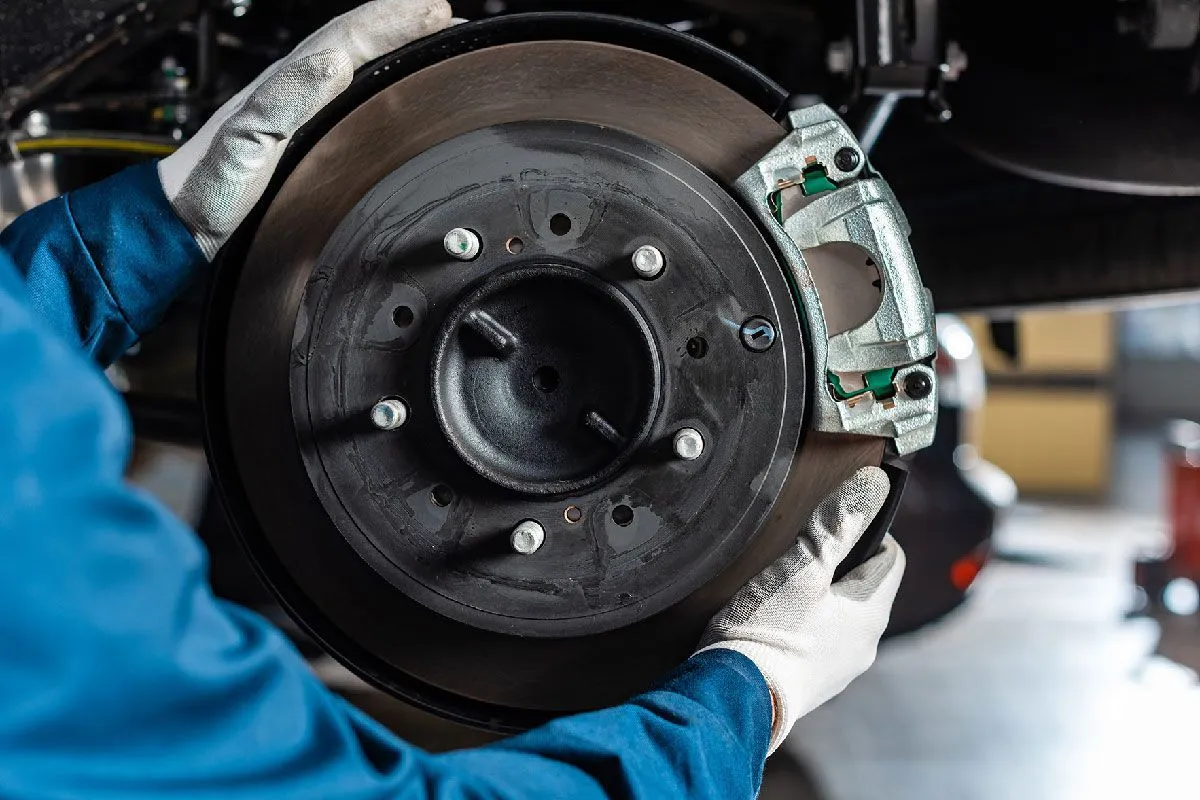
Price differences can be significant, especially when comparing high-quality brands like FBK to generic aftermarket options. However, the initial savings with cheaper pads can be misleading if they lead to more frequent replacements, extra labour, or dissatisfied customers returning with complaints.
- OEM brake pads: Average retail price ranges from $60–$120 per axle.
- Aftermarket pads: Wide range, from $25–$80 per axle, with premium brands like FBK at the upper end.
- Labour rates: Typically $80–$120 per hour; faster installs with quality pads can reduce this cost.
- Potential savings: Choosing higher-quality aftermarket pads can save $40–$60 per job over OEM without sacrificing safety.
Financial risks
- Low-cost pads may require additional fitting time due to inconsistent sizing, leading to higher labour costs.
- Cheaper components often lack shims or anti-squeal features, increasing the risk of returns for noise or vibration issues.
- Warranty claims and customer dissatisfaction can quickly erase any initial savings from budget pads.
Lifespan and Warranty: The Value Over Time
Assessing the real brake pad change cost means considering how long each pad will last. Lifespan varies widely between OEM, budget aftermarket, and premium aftermarket brands like FBK. Mechanics should measure pad thickness at every service and track wear patterns to spot premature failure.
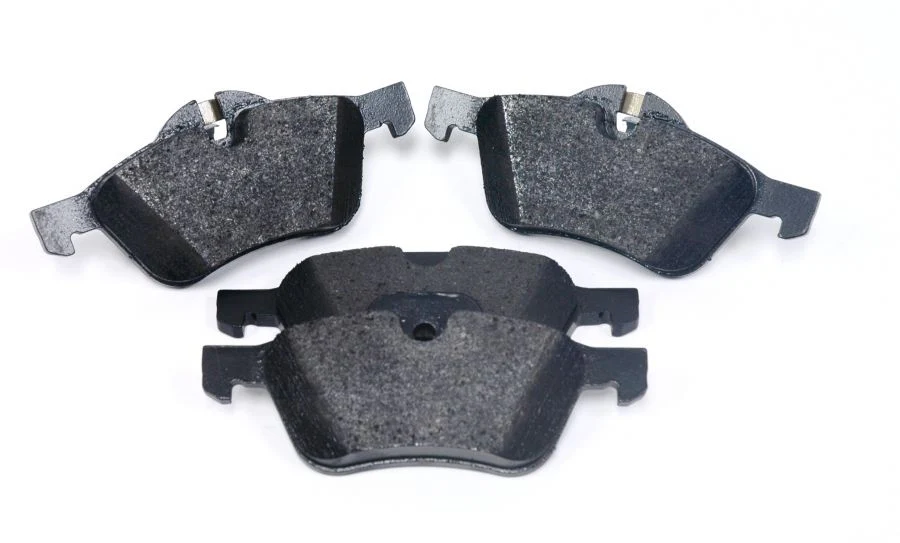
Warranty coverage also plays a major role. While OEM pads often come with a strong warranty, many reputable aftermarket brands match or exceed this, giving both workshops and customers peace of mind.
- OEM pads: Typical lifespan of 40,000–60,000 km under normal use.
- FBK premium aftermarket pads: Comparable or superior lifespan (45,000–65,000 km), with consistent performance.
- Budget pads: May last as little as 20,000–35,000 km, increasing replacement frequency.
- Warranties: OEM and top-tier aftermarket pads usually offer 12–24 months coverage; generic pads often have limited or no warranty.
Value highlights
- Choosing quality pads like FBK reduces the frequency of replacements, saving customers money and time.
- Longer lifespan means fewer workshop visits and less downtime for fleet operators.
- Strong warranty support lowers financial risk for workshops and builds customer trust.
Downtime and Replacement Frequency
For both individual drivers and fleet operators, the real brake pad change cost includes lost time when vehicles are off the road. Frequent replacements, callbacks for noise or vibration, and additional inspections can all add up. Mechanics should measure pad thickness at every service, check for uneven wear, and listen for complaints about squealing or shuddering brakes.

Workshops that fit premium pads like FBK report fewer repeat visits and shorter installation times. This not only improves workshop efficiency but also boosts customer satisfaction by minimizing inconvenience.
- Average replacement intervals: OEM and FBK pads: 1–2 years; budget pads: as little as 6–12 months.
- Estimated downtime per brake job: 2–4 hours including inspection and installation.
- Repeat visits: Low-quality pads can double the number of annual brake jobs for high-mileage vehicles.
- Workshop efficiency: Fewer replacements mean more capacity for new customers and reduced labour costs per vehicle.
Financial risks
- Frequent callbacks for brake noise or premature wear increase unpaid labour and erode workshop profits.
- Fleet customers may choose other service providers if downtime is not minimized.
Customer Satisfaction and Complaint Rates
Customer satisfaction is a crucial, often overlooked factor in the brake pad change cost. Repeat complaints about noise, vibration, brake dust, or uneven wear can damage a workshop’s reputation. Premium pads like FBK are engineered to minimize these issues, providing smoother, quieter braking and consistent performance.

Workshops should keep records of complaint rates for different brands and use this data to guide product recommendations. Fitting quality pads reduces the risk of returns, builds trust, and encourages word-of-mouth referrals.
- Complaint rates: Budget pads can have return rates as high as 15–20%; FBK and OEM pads typically below 5%.
- Noise/vibration: High-quality pads feature advanced shims and slotting, reducing customer callbacks for brake noise.
- Customer loyalty: Satisfied clients are more likely to return for future services and recommend your workshop.
Value highlights
- Lower complaint rates translate to more profitable, stress-free workshop operations.
- Choosing FBK pads enhances your reputation for quality and reliability.
Conclusion
While the upfront brake pad change cost is a major consideration, workshops and mechanics know that the real value comes from reduced downtime, longer lifespan, fewer complaints, and better customer retention. Investing in quality FBK brake components means fewer replacements, lower labour costs, and a stronger reputation for your business. Over time, these benefits far outweigh any initial savings from choosing low-cost pads. For professional results and satisfied customers, FBK is the smart, economical choice every time.