

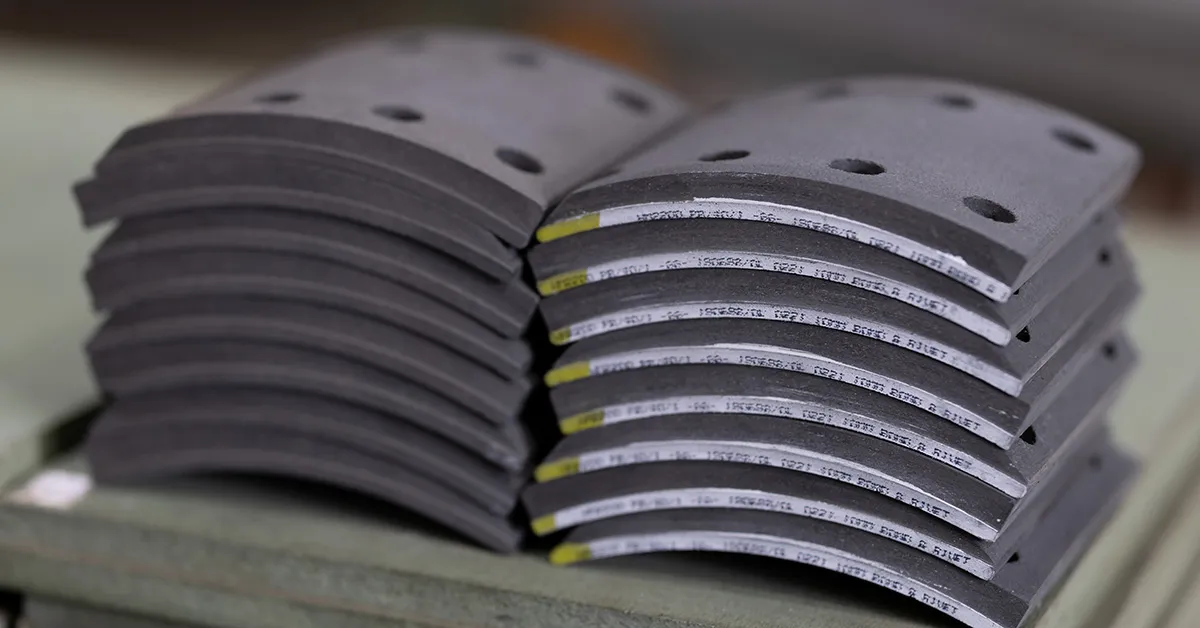
Recognizing the Importance of Brake Lining Selection
Choosing the right brake lining is essential for ensuring optimal braking performance, safety, and longevity of your vehicle’s braking system. Many drivers underestimate the impact that brake lining quality and composition can have on daily driving and critical emergency situations. A misstep in selection can lead to reduced stopping power, increased wear, or even dangerous brake fade during demanding conditions.
Laboratory testing and dynamometer evaluations are crucial in confirming that brake linings meet not only manufacturer specifications but also stringent international standards such as JASO, SAE, and ECE R90. Consistent, rigorous testing ensures that every batch of brake linings delivers the same high level of reliability, regardless of driving style or environment.
- Minimum lining thickness: Typically recommended replacement at 2–3 mm for passenger cars.
- Fading resistance: Quality linings maintain performance up to 400°C before any noticeable fade.
- Certified performance: Products tested to meet or exceed ECE R90 or equivalent international benchmarks.
- Replacement interval: Generally every 30,000–70,000 km, depending on usage and material.
Common mistakes
- Assuming all brake linings are the same, regardless of brand or certification.
- Overlooking the importance of laboratory and dynamometer test results.
- Neglecting to verify compatibility with your specific driving needs or vehicle type.

Understanding the Causes of Brake Performance Issues
Brake system problems frequently arise from the use of inappropriate or substandard brake linings. Many performance issues—such as excessive noise, vibration, or diminished stopping power—can be traced back to selecting materials that do not meet the necessary technical or quality standards. Inadequate testing or disregard for international certification can lead to unpredictable brake performance, especially under high-stress or emergency scenarios.
Proper brake lining selection hinges on understanding the demands of your driving environment and style. For example, frequent stop-and-go urban driving, spirited highway use, or carrying heavy loads each place unique stresses on brake linings, requiring specific formulations tested for those conditions. Brands like FBK invest in continuous quality assurance, utilizing both laboratory friction tests and real-world simulations to ensure consistent, reliable results.
- Friction coefficient: Should remain within 0.35–0.45 μ across the full operating temperature range.
- Noise and vibration: Quality-tested linings keep decibel levels below 70 dB during normal use.
- Thermal stability: Premium linings withstand repeated cycles at 350–400°C without significant degradation.
Common mistakes
- Choosing brake linings based solely on price, without reviewing technical test data.
- Ignoring the vehicle manufacturer’s recommended certifications or standards.
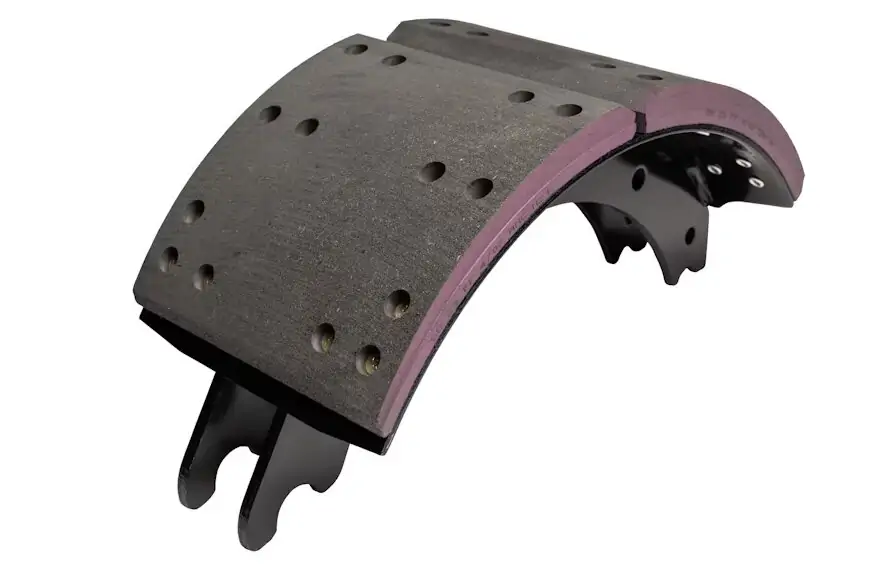
How Rigorous Testing Ensures Reliable Brake Performance
Consistent, high-quality brake performance is no accident—it is the result of meticulous laboratory and dynamometer testing. Each brake lining formulation from leading brands like FBK undergoes a battery of tests designed to simulate real-world driving conditions, including high-speed stops, repeated braking cycles, and variable temperature exposures. These procedures confirm that the lining maintains its friction characteristics, resists fade, and delivers stable performance throughout its service life.
International standards such as JASO, SAE, and ECE R90 provide measurable benchmarks for brake lining performance. Only products that pass these rigorous tests are certified for use, ensuring drivers can depend on their brakes in every situation. By prioritizing certified and laboratory-tested brake linings, drivers gain confidence that their vehicle’s stopping power is both predictable and effective.
- JASO C406 test: Confirms fade resistance and recovery after 15–20 consecutive high-speed stops.
- SAE J661 test: Measures friction stability across a temperature range from 100°C to 400°C.
- ECE R90 certification: Requires performance within ±15% of the original equipment specification.
Best practices
- Always choose brake linings that are independently tested and certified to international standards.
- Consult laboratory and dynamometer test results to match lining performance with your driving style.
- Work with reputable brands that invest in continuous quality assurance and product development.

Conclusion
Selecting the right brake lining is fundamental for safe, reliable driving. By understanding the impact of laboratory testing, international certification, and thorough quality assurance, you can make informed decisions that match your specific driving style and needs. Regular inspection and timely replacement of brake linings, guided by measurable performance data, will ensure your brakes always deliver when it matters most.
For drivers seeking peace of mind and lasting performance, the next step is to consult with a trusted brake specialist or refer to your vehicle manufacturer’s recommendations. Choose linings that are rigorously tested and certified—your safety depends on it.