


When searching for brake pad replacement near me, it’s essential to look beyond convenience and focus on the technical quality and safety standards of the service you choose. Brake pads are not just simple blocks that stop your car—they are engineered products made from carefully formulated friction materials. Understanding what to look for, from selection to post-installation checks, ensures your vehicle remains safe and quiet on the road.

Before Buying Brake Parts: What to Check
Before you commit to a brake pad replacement, it’s crucial to understand what makes a quality brake pad. The core component of a brake pad is its friction material—the part that presses against the brake disc to create the stopping force. Friction materials are blends of metals, ceramics, and fibers, each chosen for their ability to withstand heat, resist wear, and minimize noise. High-quality friction materials lead to shorter stopping distances and longer pad life.
Another important aspect is temperature stability. During braking, pads can reach several hundred degrees Celsius. Pads with poor temperature stability will fade, meaning their stopping power drops as they heat up. Always check that the brake pads you’re considering are rated for your driving style and conditions.
- Verify the manufacturer’s reputation by checking reviews and technical certifications.
- Ask for documentation on friction material formulation and temperature ratings.
- Ensure the pads are designed for your specific vehicle model and driving requirements.
- Request a reference list of previous satisfied customers if possible.
Warning Signs
- Brake pads with no clear technical specifications or certifications.
- Vendors unwilling to provide product origin or test results.
- Pads that feel unusually light or brittle when handled.
During Selection and Installation: Getting the Right Fit and Performance
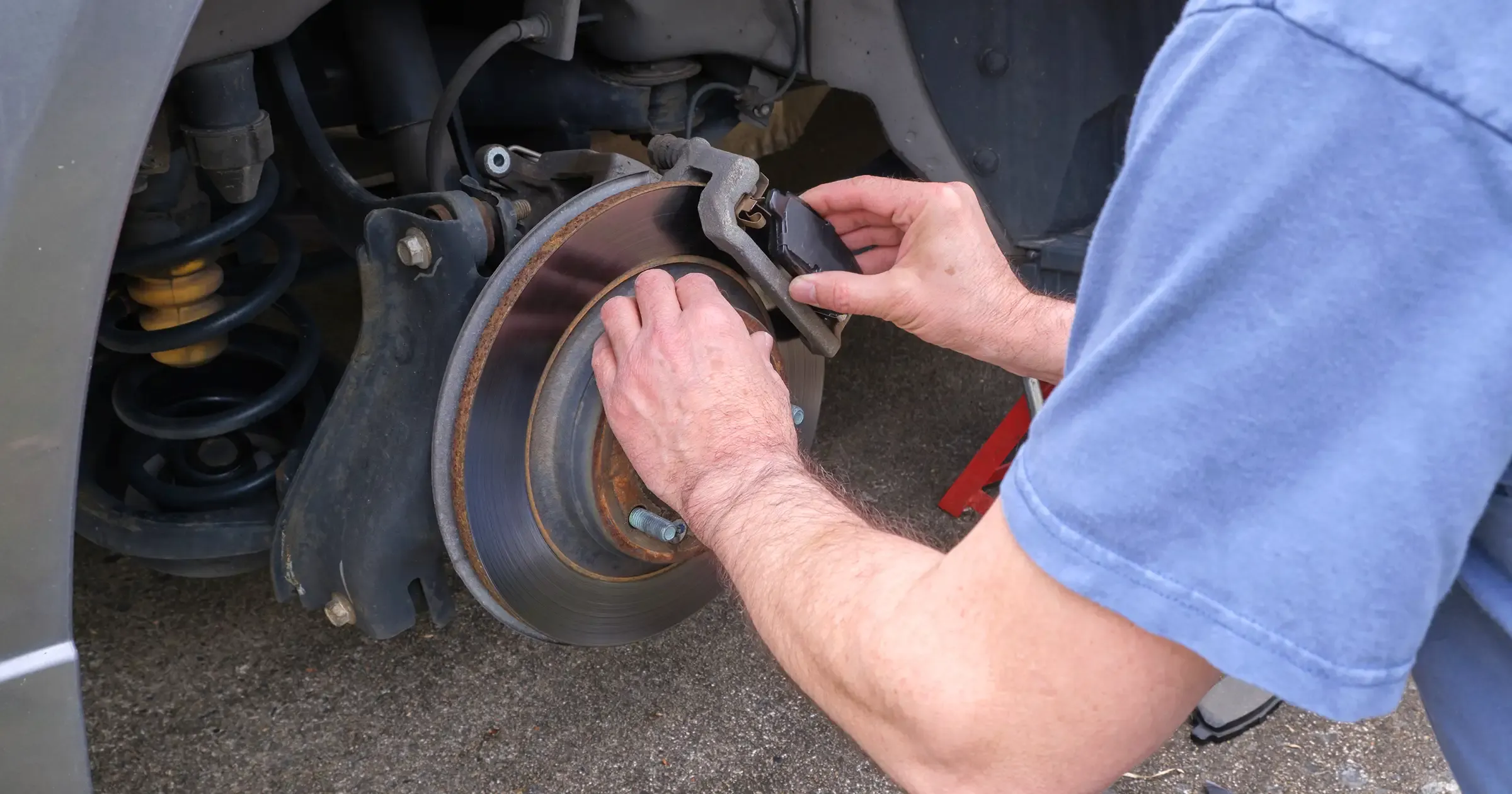
The process of brake pad replacement near me hinges on selecting a pad that fits perfectly and meets your needs for noise, vibration, and wear resistance. The term noise and vibration control refers to the pad’s ability to operate quietly and smoothly, without producing squealing or juddering. Quality pads use shims and advanced compounds to dampen vibrations and reduce noise—these features contribute directly to a more comfortable ride.
During installation, precision matters. Technicians should measure pad thickness and check the fitment against manufacturer specifications. Pads that are too thick or thin can cause uneven wear, diminished stopping power, or even damage to the braking system. Properly installed pads will align flush with the disc, maximizing surface contact and performance.
- Confirm pad thickness and dimensions against your vehicle’s requirements.
- Check for anti-noise shims or coatings on the new pads.
- Ask your technician to torque all bolts to manufacturer specifications.
- Request a visual inspection of discs and calipers during installation.
Warning Signs
- New pads that do not fit snugly or require forceful modification.
- Noticeable squealing, grinding, or vibration immediately after installation.
- Technicians skipping the bedding-in process (gradual break-in of new pads).

After Installation: Testing, Monitoring, and Follow-Up
Once your new brake pads are installed, the job isn’t over. The wear behaviour of brake pads describes how evenly and predictably the pads wear down over time. Even high-quality pads need a break-in period—usually 500 to 1,000 kilometers—during which performance should be closely monitored. Watch for changes in stopping distance, pedal feel, and noise, as these can indicate issues in pad bedding or installation.
Regular follow-up inspections are vital. Technicians should check pad thickness and look for uneven wear, cracks, or glazing (shiny, hard surfaces from overheating). Early detection of these issues can prevent costly repairs and ensure you get the best value and safety from your brake pad replacement near me.
- Monitor stopping performance and noise during the first 500–1,000 km.
- Schedule a follow-up inspection to check pad thickness and wear patterns.
- Look for dust buildup or discoloration on wheels, which can indicate abnormal wear.
- Keep a log of any changes in pedal feel or braking response.
Warning Signs
- Increased stopping distances or a spongy brake pedal after installation.
- Unusual noises (squeals, scrapes) that persist after the bedding-in period.
- Visible cracks, chips, or uneven wear on the pads during inspection.
Conclusion
Choosing the right service for brake pad replacement near me is more than a one-time transaction—it’s a process that starts before purchase and continues well after installation. By understanding the science behind friction materials, demanding precise installation, and committing to regular follow-up checks, you ensure your braking system delivers maximum safety, comfort, and value. Treat brake maintenance as an ongoing responsibility, and you’ll enjoy peace of mind every time you hit the road.